Washington wants a piece of OpenAI
AI-assisted, human-edited
This article was drafted with the help of large language models and reviewed by a Shine Soft Corp engineer before publication. Facts, citations, and code samples were verified against the linked sources. All opinions and editorial direction belong to the editor.
Washington and OpenAI are reportedly discussing a deal that would hand the government an equity stake in the lab, with shares routed into a public fund built to give average Americ
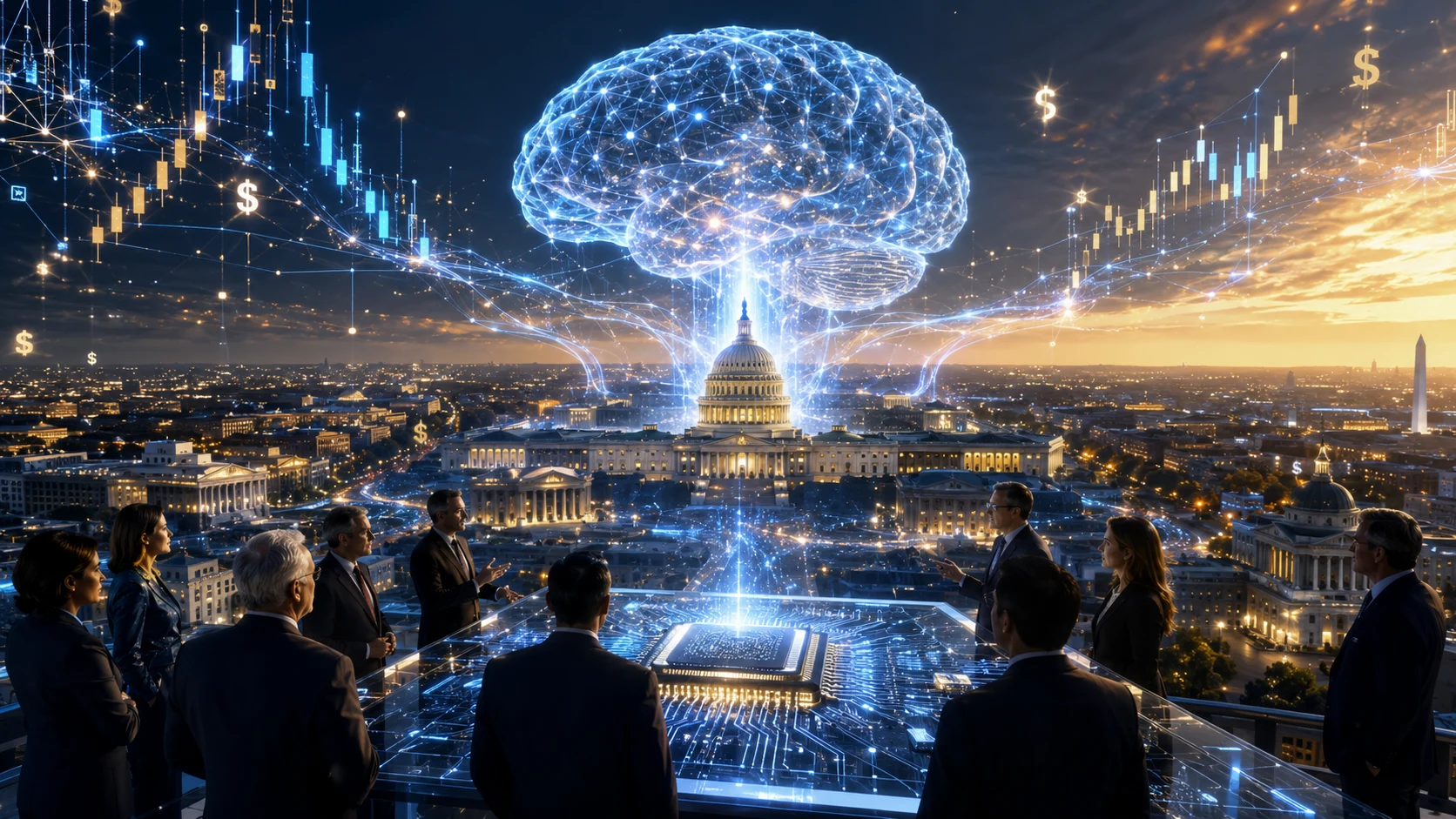

Washington wants a piece of OpenAI
The government taking ownership stakes in private companies used to be a hard line in U.S. politics, typically reserved for bailouts. Under Trump, it's becoming a habit — and the AI giants could be next. Washington and OpenAI are reportedly discussing a deal that would hand the government an equity stake in the lab, with shares routed into a public fund built to give average Americans a cut of a tech revolution many aren’t feeling included in.
🧭 Context and Background
The White House and OpenAI are reportedly in talks over the U.S. government taking an equity stake in the company, with the shares potentially going towards a "Public Wealth Fund" built to hand Americans a cut of the AI boom. Axios reported that industry backers have discussed a 1-5% stake, far below U.S. Senator Bernie Sanders' proposed one-time 50% stock tax on AI labs. CEO Sam Altman met with both Sanders and Trump officials last week to discuss the idea, which was also detailed in OpenAI's April policy paper.
⚙️ How it Works or Architecture
The proposed deal would involve the U.S. government taking an equity stake in OpenAI, with the shares potentially going towards a "Public Wealth Fund" built to hand Americans a cut of the AI boom. This would give the government a financial interest in the company's success, while also providing a way for average Americans to benefit from the AI revolution.
🛠️ Real-World Implementation
The implementation of this deal would likely involve a complex process of negotiations between the White House and OpenAI, as well as the development of a new regulatory framework to govern the relationship between the government and the company. This could include the creation of a new agency or department to oversee the management of the Public Wealth Fund.
📝 Risks or Trade-Offs
One potential risk of this deal is that it could create conflicts of interest between the government's role as a regulator and its financial interest in the company. This could lead to a situation where the government is more focused on protecting its financial interests than on ensuring that the company is operating in the public interest. Additionally, the deal could also createIndex trade-offs, such as the potential for the government to exert undue influence over the company's decision-making process.
✅ Forward-Looking Takeaway
The proposed deal between the White House and OpenAI highlights the growing trend of government involvement in the tech industry. As AI continues to play an increasingly important role in the economy, it is likely that we will see more government involvement in the industry. This could lead to a range of benefits, including increased investment in AI research and development, as well as greater accountability and transparency in the industry.
📝 Key takeaways
- The White House and OpenAI are reportedly in talks over a deal that would give the government an equity stake in the company.
- The shares would potentially go towards a "Public Wealth Fund" built to hand Americans a cut of the AI boom.
- The deal could create conflicts of interest between the government's role as a regulator and its financial interest in the company.
- The deal could also create trade-offs, such as the potential for the government to exert undue influence over the company's decision-making process.
- The proposed deal highlights the growing trend of government involvement in the tech industry.
🎬 Demo videos
Reference clips from the source article.
References
This article was informed by reporting and engineering write-ups from the sources below. Please visit them for the original analysis:
- Washington wants a piece of OpenAI — the-rundown
- datasette-agent-edit 0.1a0 — simon-willison
- How Endava is redesigning software delivery around AI agents — openai
- Dreaming: Better memory for a more helpful ChatGPT — openai
Shine Soft Corp synthesizes and commentates on these sources; we do not republish their content.