The Download: keeping up with AI, and the future of IVF
AI-assisted, human-edited
This article was drafted with the help of large language models and reviewed by a Shine Soft Corp engineer before publication. Facts, citations, and code samples were verified against the linked sources. All opinions and editorial direction belong to the editor.
Stay on top of the latest AI trend and breakthroughs, and explore the future of IVF with new technologies and innovations.
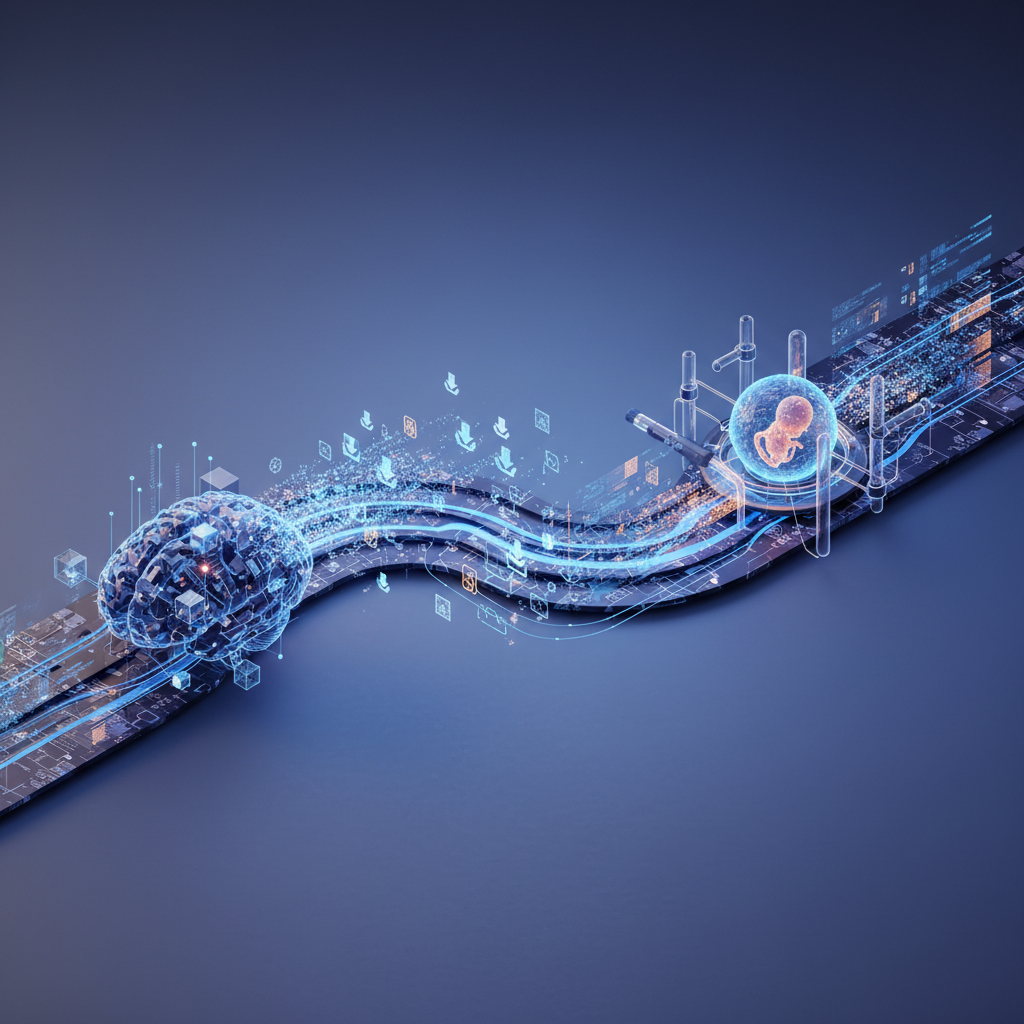
The Download: keeping up with AI, and the future of IVF
The pace of news from the world of artificial intelligence can be relentless, with new models and capabilities emerging as fast as we can cover them. Our unique strength lies in cutting through the day-to-day noise to help you understand what's really happening, and what lies around the corner. In this article, we'll explore the intersection of AI and IVF, and what the future holds for this rapidly evolving field.
🧭 Context and Background
IVF has brought millions of babies into the world over the last four decades, but the process can still be slow, painful, and expensive. Researchers are now using AI to identify promising sperm and embryos, develop robotic systems that could automate parts of the IVF process, and even explore controversial genetic editing techniques designed to prevent inherited disease. These technologies could make IVF more effective and accessible, but they're also raising difficult ethical questions about how far reproductive medicine should go.
graph TD
    A[IVF] --> B[AI]
    B --> C[Robotic systems]
    B --> D[Genetic editing]
    C --> E[Automation]
    D --> F[Prevention of inherited disease]
⚙️ How it Works or Architecture
AI is being used in various ways to improve IVF outcomes. For example, machine learning algorithms can analyze data from IVF cycles to identify patterns and predict the likelihood of success. This can help clinicians make more informed decisions about who to treat and how to optimize treatment protocols. Additionally, AI-powered robotic systems can automate tasks such as embryo transfer and sperm selection, reducing the risk of human error and improving efficiency.
import pandas as pd
from sklearn.model_selection import train_test_split
from sklearn.ensemble import RandomForestClassifier

# Load data
df = pd.read_csv('ivf_data.csv')

# Split data into training and testing sets
X_train, X_test, y_train, y_test = train_test_split(df.drop('outcome', axis=1), df['outcome'], test_size=0.2, random_state=42)

# Train random forest classifier
rfc = RandomForestClassifier(n_estimators=100, random_state=42)
rfc.fit(X_train, y_train)

# Make predictions on test set
y_pred = rfc.predict(X_test)
🛠️ Real-World Implementation
Several companies and research institutions are already working on AI-powered IVF solutions. For example, a startup called Embryonics is developing an AI-powered platform that uses machine learning algorithms to analyze data from IVF cycles and predict the likelihood of success. Another company, ReproGen, is using AI to develop robotic systems that can automate tasks such as embryo transfer and sperm selection.
📝 Risks or Trade-Offs
While AI has the potential to improve IVF outcomes, there are also risks and trade-offs to consider. For example, the use of AI in IVF raises concerns about bias and accuracy, particularly if the data used to train the algorithms is incomplete or biased. Additionally, the use of AI-powered robotic systems may reduce the role of human clinicians in the IVF process, which could have implications for patient care and outcomes.
✅ Forward-Looking Takeaway
The intersection of AI and IVF is a rapidly evolving field with significant potential for improvement. As researchers and clinicians continue to develop and refine AI-powered IVF solutions, it's essential to carefully consider the risks and trade-offs involved. By doing so, we can ensure that these technologies are used in a way that benefits patients and improves outcomes.
📝 Key takeaways
- AI has the potential to improve IVF outcomes by analyzing data from IVF cycles and predicting the likelihood of success.
- AI-powered robotic systems can automate tasks such as embryo transfer and sperm selection, reducing the risk of human error and improving efficiency.
- The use of AI in IVF raises concerns about bias and accuracy, particularly if the data used to train the algorithms is incomplete or biased.
- The use of AI-powered robotic systems may reduce the role of human clinicians in the IVF process, which could have implications for patient care and outcomes.
- Further research is needed to fully understand the potential benefits and risks of AI in IVF.high
References
This article was informed by reporting and engineering write-ups from the sources below. Please visit them for the original analysis:
- The Download: keeping up with AI, and the future of IVF — mit-tech-ai
- Quoting Karen Kwok for Reuters Breakingviews — simon-willison
- How we contain Claude across products — simon-willison
- Running Python ASGI apps in the browser via Pyodide + a service worker — simon-willison
- I Am Retiring from Tech to Live Offline — simon-willison
Shine Soft Corp synthesizes and commentates on these sources; we do not republish their content.
Frequently asked questions
What is the current pace of news from the world of artificial intelligence?
The pace of news from the world of artificial intelligence can be relentless, with new models and capabilities emerging as fast as we can cover them.
How is AI being used in IVF?
AI is being used in various ways to improve IVF outcomes, such as analyzing data from IVF cycles to identify patterns and predict the likelihood of success.
What are the potential benefits of AI-powered robotic systems in IVF?
AI-powered robotic systems can automate tasks such as embryo transfer and sperm selection, reducing the risk of human error and improving efficiency.
What are the potential risks of using AI in IVF?
The use of AI in IVF raises concerns about bias and accuracy, particularly if the data used to train the algorithms is incomplete or biased.
What do you think is the most significant potential benefit of AI in IVF?
Live results