Suno AI Engineering Explained: How Suno Creates Music Using Artificial Intelligence
AI-assisted, human-edited
This article was drafted with the help of large language models and reviewed by a Shine Soft Corp engineer before publication. Facts, citations, and code samples were verified against the linked sources. All opinions and editorial direction belong to the editor.
Learn how Suno AI generates complete songs from text prompts. Explore Suno's AI music model, lyrics generation, vocal synthesis, editing features, technical architecture, and common status issues.

Suno AI Status Issues Explained: How Suno AI Music Generation Works Behind the Scenes
Introduction
Artificial Intelligence is transforming the music industry, and Suno AI has emerged as one of the most popular platforms for generating complete songs from simple text prompts. However, users occasionally experience service disruptions, generation failures, queue delays, and status-related issues.
If you've recently encountered a "Technical Issue" message in Suno, understanding how the platform works can help explain why these problems occur and what happens behind the scenes when AI creates music.
In this article, we'll explore Suno AI from the ground up, including its architecture, music generation process, how AI reads lyrics, editing capabilities, key features, practical prompt examples, and common reasons behind technical issues.
What is Suno AI?
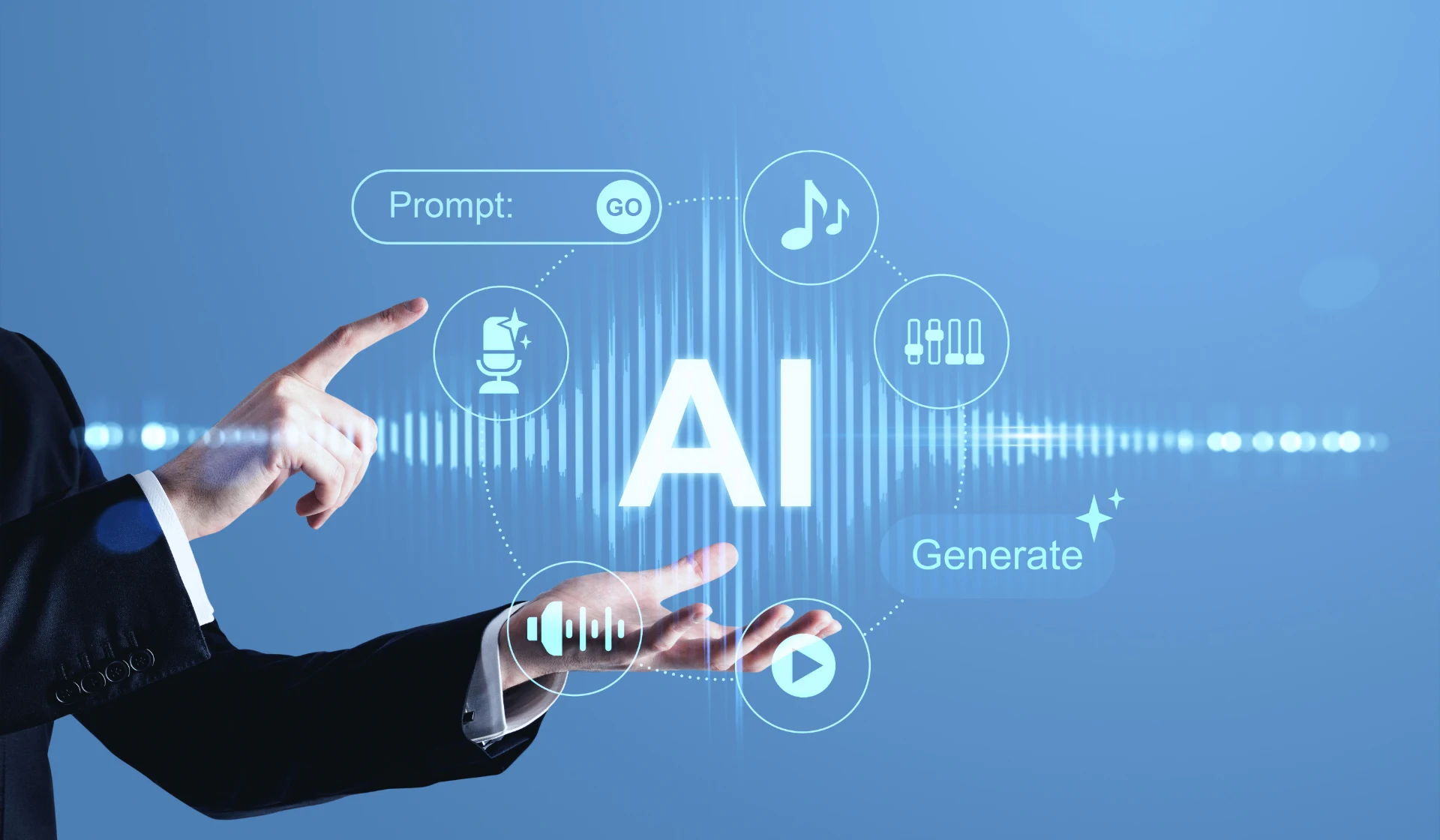
Suno AI is a generative artificial intelligence platform that creates original songs using text prompts.
Unlike traditional music software that requires knowledge of instruments, recording equipment, or music production techniques, Suno allows users to describe a song in natural language.
Example Prompt:
Create a romantic Bollywood-style song with female vocals, emotional strings, soft piano, and cinematic orchestral arrangement.
Within minutes, Suno generates:
- Lyrics
- Melody
- Vocals
- Instrumentation
- Mixing
- Mastering
All automatically.
How Does Suno AI Work?
Suno combines several AI models working together in a multi-stage generation pipeline.
Step 1: Prompt Understanding
The system first analyzes the user's prompt.
It extracts information such as:
- Genre
- Mood
- Tempo
- Instruments
- Vocal style
- Language
- Song structure
For example:
Prompt:
Create a sad Hindi love song with piano and violin.
The AI identifies:
- Genre: Romantic Ballad
- Mood: Sad
- Instruments: Piano, Violin
- Language: Hindi
- Vocal Style: Emotional
Example Prompt Structure
New users often get better results when prompts include multiple attributes.
Genre: Bollywood Romantic
Mood: Emotional
Language: Hindi
Singer: Female
Tempo: Slow
Instruments: Piano, Violin, Strings
Theme: Long-distance love
The more descriptive the prompt, the more accurately Suno can generate the desired song.
Output Listen:
Step 2: Lyrics Generation
A Large Language Model (LLM) generates lyrics based on the prompt.
The AI creates:
- Verse
- Chorus
- Bridge
- Outro
It follows lyrical patterns commonly found in songs while maintaining rhyme and thematic consistency.
Example AI-Generated Lyrics
[Verse]
Teri yaadon ka sahara hai
Dil mein tera nazara hai

[Chorus]
Tu paas nahi phir bhi
Har dhadkan mein tu hi tu
How Suno AI Reads Lyrics Before Creating Music
Many new users wonder:
Does Suno create music first or lyrics first?
In most cases, Suno analyzes the lyrics and converts them into musical information before generating vocals and instrumentation.
The AI examines:
- Number of syllables
- Word stress patterns
- Sentence rhythm
- Emotional tone
- Repeated phrases
- Chorus structure
For example:
I miss you every night
Under the pale moonlight
The AI detects:
Emotion: Sad / Romantic
Rhythm: Balanced
Rhyme Pattern: Night / Moonlight
Possible Tempo: Slow to Medium
From this analysis, Suno generates:
- Melody contours
- Vocal timing
- Chorus emphasis
- Musical dynamics
This process is similar to how a human composer reads lyrics and decides how they should be sung.
Step 3: Melody Creation
Another neural network generates:
- Vocal melody
- Pitch variations
- Chorus hooks
- Musical phrases
This stage determines what the singer will actually sing.
Example
Lyrics:
You are the light inside my soul
Possible melody interpretation:
You are the LIGHT
inside my SOUL
The AI may place stronger notes on emotionally important words such as "light" and "soul."
Step 4: Music Composition
The composition model generates:
- Chords
- Harmonic progression
- Bass lines
- Piano patterns
- String arrangements
- Drum rhythms
The AI effectively acts as a virtual composer.
Example Style Differences
A single lyric can produce very different music depending on the selected style.
Lyrics:
Hello
Sunshine
Don't you know it's good to see you
Sunshine?
It's been dark for way too long
I've been waitin' on the light
For what seems like a lifetime
Now I'm finally comin' home

[Pre-Chorus]
And I've traveled all around this world
I know I could go anywhere

[Chorus]
I will always find my way back home
I'll find my way
I will always find my way back home
I'll find my way
......
Pop Style:
Instruments:
- Piano
- Drums
- Bass
- Synth

Mood:
- Uplifting
- Radio-friendly
Listen:
Rock Style:
Instruments:
- Electric Guitar
- Bass Guitar
- Live Drums

Mood:
- Powerful
- Energetic
Listen:
EDM Style:
Instruments:
- Synth Leads
- Electronic Drums
- Bass Drops

Mood:
- Dance-focused
Listen:
Step 5: Vocal Synthesis
Specialized voice synthesis models convert the melody and lyrics into singing vocals.
The AI produces:
- Male vocals
- Female vocals
- Duets
- Harmonies
- Background layers
This is significantly more complex than standard text-to-speech because singing requires precise pitch control.
Male Vocal Example
Singer: Male
Style: Deep Emotional Voice
Genre: Country Ballad

Lyrics:
I walk alone beneath the stars
Expected Result:
- Lower vocal range
- Warm tone
- Strong storytelling feel
Listen:
Female Vocal Example
Singer: Female
Style: Soft Emotional Voice
Genre: Pop Ballad
Lyrics: I walk alone beneath the stars
Expected Result:
- Higher vocal range
- Softer delivery
- More delicate emotional expression
Listen:
Duet Example
Singer: Male + Female
Genre: Romantic Pop

Verse 1: Male
Verse 2: Female
Chorus: Both Sing Together
Step 6: Audio Rendering
The generated tracks are combined and rendered into a final song.
The rendering engine applies:
- Mixing
- Equalization
- Compression
- Reverb
- Stereo enhancement
The result is a finished song ready for listening.
Complete Song Creation Example
Let's walk through a realistic Suno AI example from prompt to final song.
User Prompt
Create a romantic Bollywood song.

Singer: Female
Language: Hindi
Mood: Emotional
Tempo: Slow
Instruments:
- Piano
- Violin
- Strings

Theme:
Missing someone far away.
AI-Generated Lyrics
[Verse]
Teri yaadon mein kho jaati hoon
Har raat tujhe bulaati hoon

[Chorus]
Tu door sahi phir bhi
Dil mein basa rehta hai
AI Interpretation
Genre: Bollywood Ballad
Emotion: Longing
Tempo: 72 BPM
Singer: Female
Primary Instruments:
- Piano
- Violin
- Strings
Generated Song Output
Vocals:
- Female Lead

Music:
- Soft Piano Intro
- Violin During Verse
- Full Strings In Chorus

Production:
- Reverb
- Stereo Width
- Mastered Audio
This entire process typically takes only a few minutes.
Suno AI Technical Architecture
Behind the scenes, Suno uses cloud infrastructure with GPU acceleration.
Typical components include:
Frontend Layer
Handles:
- Prompt input
- Song library
- Audio playback
- Editing interface
Technologies often involve:
- React
- Next.js
- Modern Web APIs
Backend Services
Responsible for:
- User management
- Credits
- Generation requests
- File storage
- Queue processing
Common technologies may include:
- Python
- FastAPI
- Node.js
- Distributed APIs
AI Inference Layer
This is the most resource-intensive part.
High-performance GPUs process:
- Lyrics generation
- Music generation
- Vocal synthesis
- Audio rendering
Generation requests are often queued during peak demand.
Storage Layer
Stores:
- Generated songs
- Audio files
- Prompt history
- User projects
Cloud storage systems help scale to millions of users.
Why Does Suno Sometimes Show Technical Issues?
Many users see messages such as:
- Technical Issue
- Generation Failed
- Server Busy
- Queue Delayed
These can occur for several reasons.
1. GPU Capacity Limits
Music generation requires enormous GPU resources.
When demand spikes:
- Requests increase
- Processing queues grow
- Response times slow down
2. Model Deployment Updates
AI models are continuously improved.
During deployments:
- Some services restart
- Temporary instability may occur
- Generation requests may fail
3. Audio Processing Failures
A song passes through multiple stages.
If any stage fails:
- Lyrics generation
- Vocal synthesis
- Rendering
- Storage upload
The entire generation may fail.
4. Network and Cloud Infrastructure Issues
Cloud providers occasionally experience:
- Storage outages
- API failures
- Network latency
- Regional service interruptions
These can impact Suno's availability.
Key Features of Suno AI
Text-to-Music Generation
Create complete songs from simple text descriptions.
Example
Create an upbeat summer pop song
with female vocals and acoustic guitar.
Custom Lyrics
Write your own lyrics and let Suno generate music around them.
Example
[Verse]
Walking through the city lights
Dreaming of tomorrow night

[Chorus]
We can fly above the clouds
Extend Song
Continue a generated song beyond its original duration.
Replace Sections
Modify portions of existing songs.
Remix Functionality
Generate alternate versions of a song.
Genre Control
Generate music in styles such as:
- Pop
- Rock
- EDM
- Bollywood
- Classical
- Country
- Jazz
Vocal Variations
Produce:
- Male vocals
- Female vocals
- Duets
- Harmonized vocals
How Editing Works in Suno
After a song is generated, users can refine it.
Extend
Adds new musical sections.
Examples:
- Additional verse
- Longer chorus
- Instrumental outro
Remaster
Improves overall sound quality.
Enhances:
- Clarity
- Loudness
- Balance
- Presence
Regenerate
Creates a fresh variation using the same prompt.
Useful when users like the concept but want a different result.
Example
Original Prompt:
Create a happy pop song.
Regenerated Version May Change:
- Melody
- Vocal Style
- Instrument Arrangement
- Chorus Hook
Replace Section
Rewrites a selected part of the song while preserving the rest.
How AI Understands Music Styles
When users specify:
Bollywood romantic song
The model references patterns learned during training.
It identifies:
- Typical chord progressions
- Instrument combinations
- Vocal phrasing
- Song structure
The AI doesn't copy existing songs. Instead, it generates new content based on learned musical relationships.
Style Comparison Example
Prompt:
A romantic song about missing someone.
Bollywood:
- Strings
- Piano
- Emotional vocals
Country:
- Acoustic guitar
- Storytelling vocals
EDM:
- Synths
- Electronic drums
- Dance rhythm
Jazz:
- Piano
- Brass
- Complex harmonies
Best Prompt Templates for New Users
Female Pop Song
Create a modern pop song.

Singer: Female
Mood: Happy
Tempo: Medium
Instruments:
- Piano
- Synth
- Drums

Theme:
Celebrating friendship.
Male Rock Song
Create a rock anthem.

Singer: Male
Mood: Energetic
Tempo: Fast

Instruments:
- Electric Guitar
- Bass
- Drums

Theme:
Never giving up.
Romantic Duet
Create a romantic duet.

Singer:
- Male
- Female

Genre: Pop Ballad

Theme:
Two people separated by distance.
Benefits of Suno AI
Faster Music Creation
Generate songs in minutes.
No Recording Equipment Required
No microphone or studio setup needed.
Accessible to Everyone
Musicians and non-musicians alike can create music.
Rapid Prototyping
Great for content creators, marketers, and independent artists.
Creative Exploration
Experiment with unlimited musical styles.
Limitations of AI Music Generation
While impressive, AI music still has limitations.
- Occasional lyrical inconsistencies
- Repetitive choruses
- Pronunciation issues in some languages
- Limited emotional nuance compared to human singers
- Variability between generations
Human editing often improves final results.
The Future of AI Music
The next generation of AI music systems will likely offer:
- Multi-track exports
- Stem separation
- Real-time editing
- Advanced voice customization
- Personalized singing styles
- Professional production controls
As models improve, AI-generated music will become increasingly difficult to distinguish from traditional studio productions.
Conclusion
Suno AI represents a major advancement in generative music technology. By combining language models, music composition systems, vocal synthesis engines, and cloud-scale infrastructure, it enables anyone to create complete songs from simple text prompts.
The platform doesn't simply generate random sounds. It analyzes prompts, understands lyrics, interprets rhythm and emotion, creates melodies, composes music, synthesizes vocals, and finally mixes everything into a finished song.
While occasional technical issues can occur due to GPU demand, infrastructure updates, or processing bottlenecks, these challenges are common in large-scale AI platforms. Understanding the technology behind Suno helps explain both its incredible capabilities and the occasional service interruptions users may experience.
As AI music generation continues to evolve, platforms like Suno are redefining how songs are created, edited, and shared across the world.
Frequently asked questions
What is Suno AI and how does it work?
Suno AI is a generative artificial intelligence platform that creates original songs using text prompts. It combines several AI models working together in a multi-stage generation pipeline, including prompt understanding, lyrics generation, melody creation, music composition, vocal synthesis, and audio rendering.
Why does Suno sometimes show technical issues?
Technical issues can occur due to various reasons such as GPU capacity limits, model deployment updates, audio processing failures, and network and cloud infrastructure issues. These can impact Suno's availability and generation requests may fail.
What are the key features of Suno AI?
Suno AI offers several key features, including text-to-music generation, custom lyrics, extend song, replace sections, remix functionality, genre control, and vocal variations. Users can also refine generated songs using editing features such as extend, remaster, and regenerate.
How does editing work in Suno?
After a song is generated, users can refine it using editing features such as extend, remaster, and regenerate. These features allow users to add new musical sections, improve sound quality, and create fresh variations using the same prompt.
What is the technical architecture of Suno AI?
Suno AI uses cloud infrastructure with GPU acceleration, including a frontend layer, backend services, AI inference layer, and storage layer. The frontend layer handles prompt input, song library, and audio playback, while the backend services manage user management, credits, and generation requests.
What is the primary reason for technical issues in Suno AI?
Live results
What is a key feature of Suno AI?
Live results
How does Suno AI understand music styles?
Live results