How AI Music Models Work: Technology Behind Suno, AI Song Generation and Music AI (Part 1)
AI-assisted, human-edited
This article was drafted with the help of large language models and reviewed by a Shine Soft Corp engineer before publication. Facts, citations, and code samples were verified against the linked sources. All opinions and editorial direction belong to the editor.
Learn how AI music models generate songs, vocals, melodies, instruments and full productions. Explore Suno-style architecture, infrastructure requirements, training methods and the future of AI music generation. Discover the technology behind modern AI music generation, from prompt understanding to audio rendering, and learn about the infrastructure required to build your own AI music mode.

How AI Music Models Work: A Complete Beginner-Friendly Guide
Artificial Intelligence can now generate complete songs from a simple text prompt.
You can type:
"Create an uplifting Indian-pop song with female vocals, tabla, sitar, and modern electronic beats."
Within seconds, an AI system can generate:
- Lyrics
- Melody
- Vocal performance
- Instruments
- Mixing
- Mastering
Platforms like Suno and other modern AI music systems have transformed music creation from a complex production process into a simple conversation.
But how does this actually work?
Let's explore the technology behind modern AI music generation.
The Evolution of Music AI
Before modern generative AI, music software could:
- Arrange MIDI notes
- Generate drum loops
- Suggest chord progressions
- Apply effects
These systems followed predefined rules.
Modern AI music models are different.
They learn patterns from massive collections of music and generate entirely new audio based on those learned patterns.
This shift is similar to how image AI evolved from simple filters into systems capable of generating photorealistic artwork.
What Is An AI Music Model?
An AI music model is a large neural network trained to understand relationships between:
- Lyrics
- Melody
- Rhythm
- Harmony
- Instruments
- Vocal styles
- Production techniques
- Musical genres
Think of it as a giant pattern-learning engine.
Instead of memorizing songs, it learns:
- How melodies usually move
- How choruses differ from verses
- How instruments interact
- How emotions are expressed through sound
After training, it can create entirely new music.
How AI Understands Music
Music is converted into numerical representations.
AI does not hear music like humans.
Instead, it sees patterns such as:
Rhythm
Kick → Snare → Kick → Snare
The model learns timing relationships.
Example
- Pop: Steady 4/4 beat
- EDM: Repetitive dance rhythm
- Jazz: Swing timing
- Indian Classical: Tala-based rhythmic cycles
Melody
C → E → G → A
The model learns how notes flow together.
Example
A happy melody often moves differently than a sad melody.
Harmony
Multiple notes played simultaneously create emotional effects.
The AI learns:
- Major chords
- Minor chords
- Suspended chords
- Jazz extensions
- Orchestral harmony
Timbre
Timbre is the unique character of a sound.
Examples:
- Piano
- Violin
- Electric guitar
- Tabla
- Human voice
The model learns to distinguish these sounds.
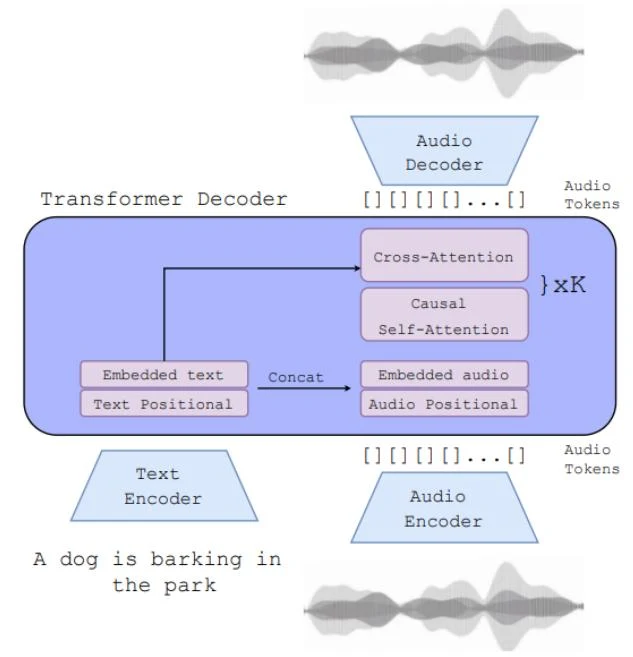
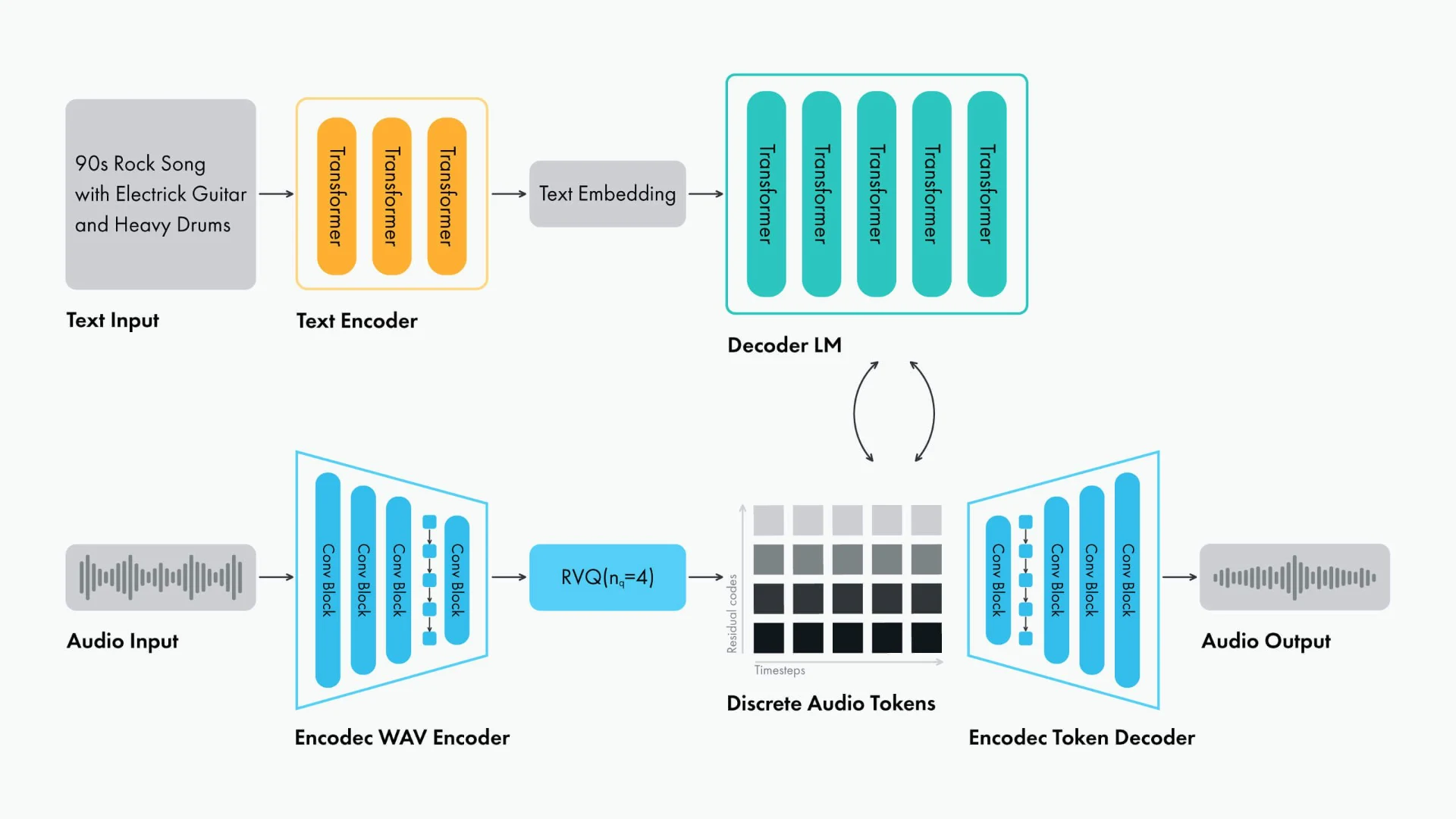
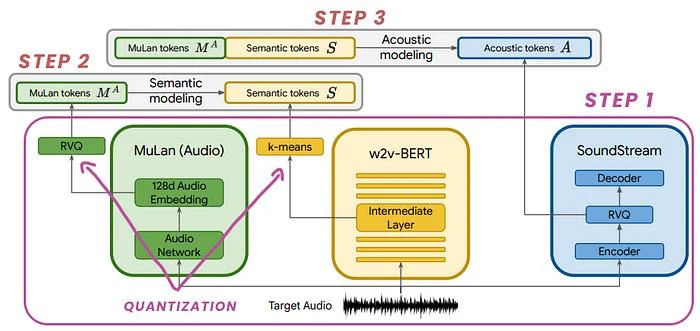
How Suno Probably Generates Music
(Based on publicly known AI architecture concepts and industry practices rather than Suno's proprietary implementation.)
A modern music model generally follows several stages.
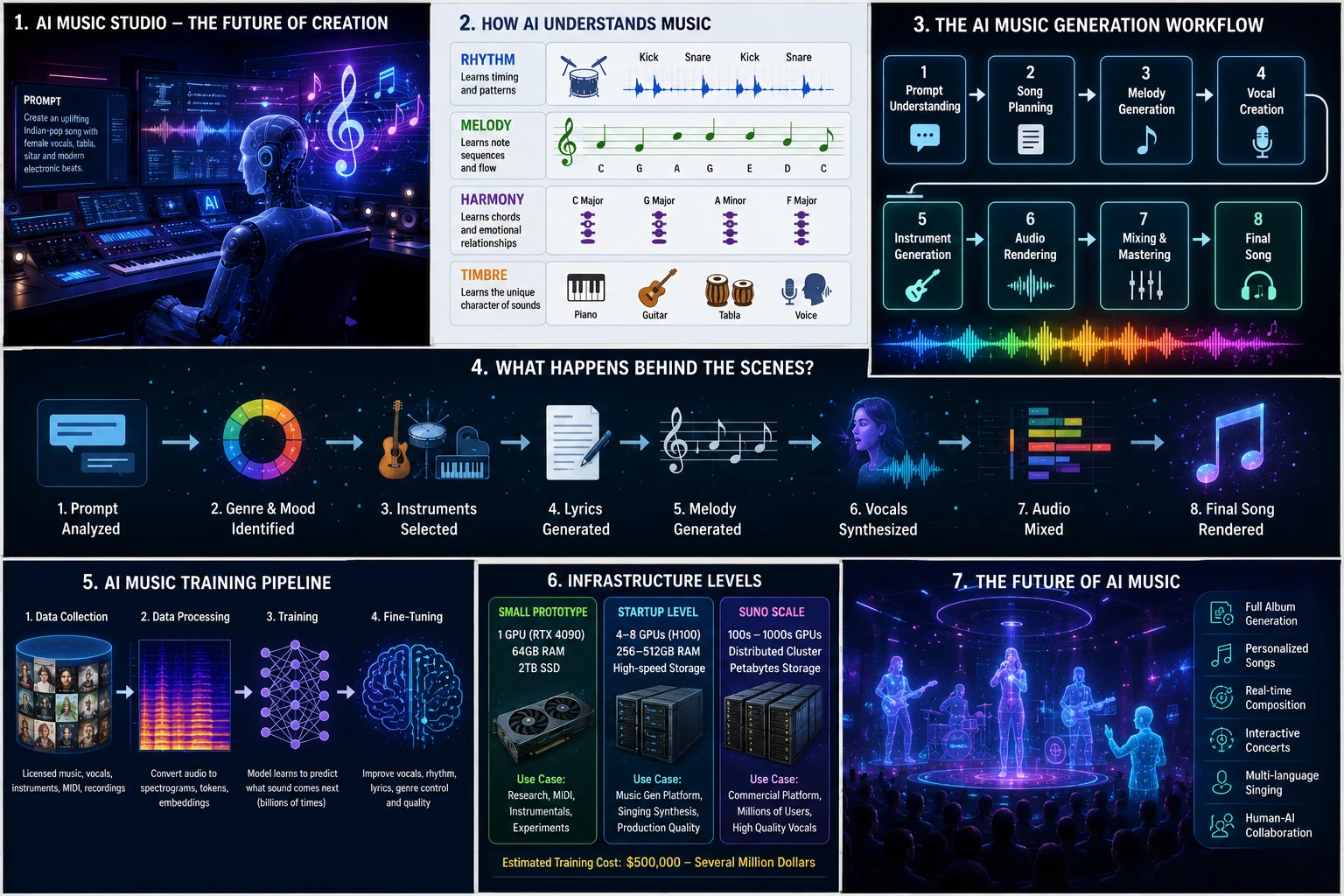
Step 1: Prompt Understanding
User enters:
Create an emotional Indian-pop song with female vocals and cinematic strings.
The language model extracts:
| Element | Meaning |
|---|---|
| Emotional | Mood |
| Indian-pop | Genre |
| Female vocals | Singer type |
| Cinematic strings | Instrument choice |
The system converts these instructions into internal representations.
Step 2: Song Planning
The model plans:
- Intro
- Verse
- Chorus
- Bridge
- Outro
Just as a writer outlines a story before writing.
Step 3: Melody Generation
The AI predicts:
- Main melody
- Supporting melodies
- Chord progressions
It determines what notes should come next.
Step 4: Vocal Creation
Modern audio models generate:
- Human-like singing
- Breathing patterns
- Pitch variations
- Emotional delivery
The vocals are synthesized directly from learned voice patterns.
Step 5: Instrument Generation
The model creates:
- Drums
- Bass
- Piano
- Strings
- Synthesizers
- Traditional instruments
Each track is generated while maintaining musical coherence.
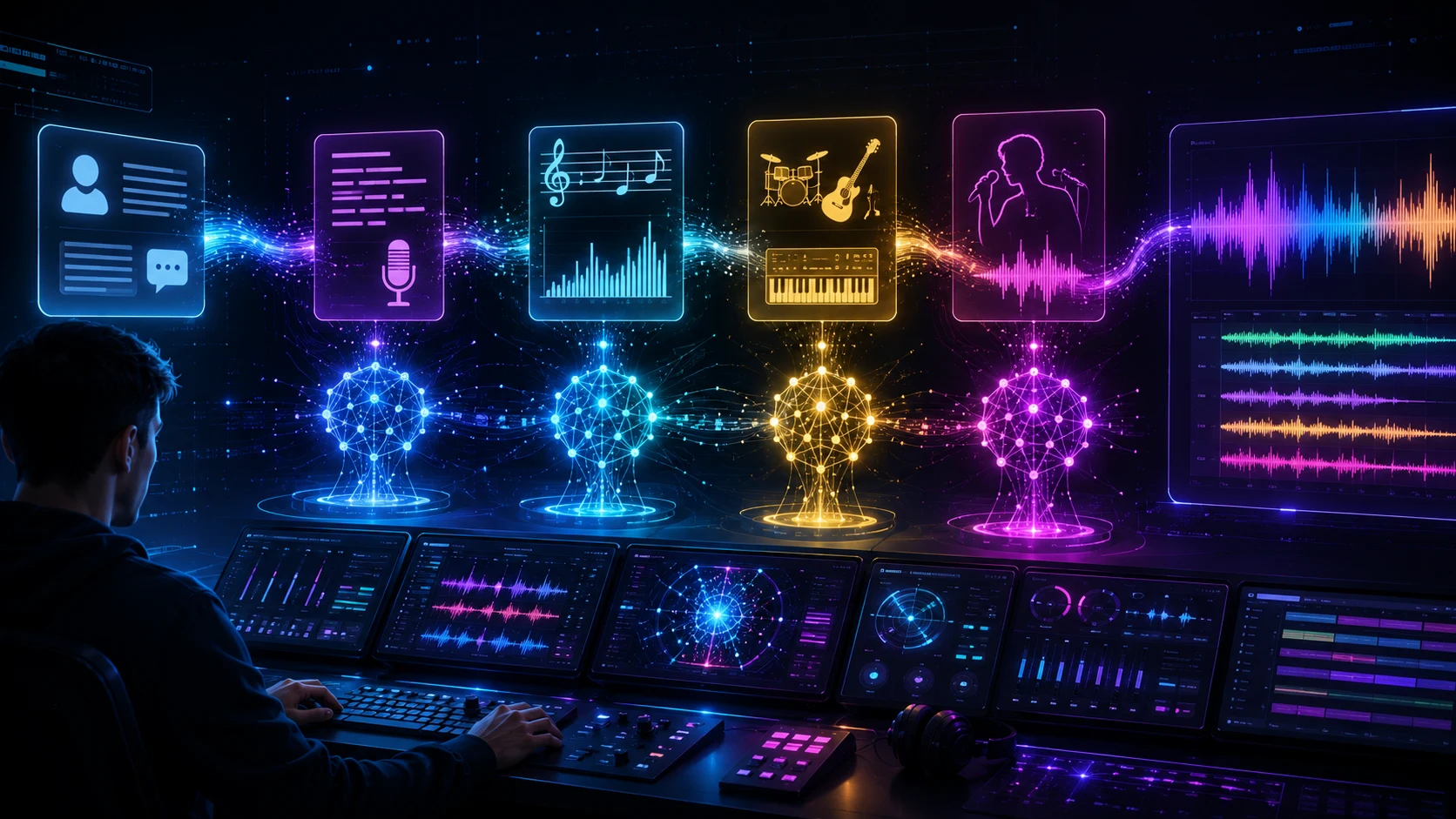
Step 6: Audio Rendering
The AI converts its internal representation into actual audio waveforms.
This stage is computationally expensive.
Step 7: Mixing and Mastering
The final stage includes:
- Loudness balancing
- Equalization (EQ)
- Compression
- Stereo enhancement
- Mastering
The result becomes a finished commercial-quality song.
What Happens Behind the Scenes?
When you click "Generate Song":
- Prompt is analyzed.
- Genre is identified.
- Mood is detected.
- Instruments are selected.
- Lyrics are created.
- Melody is generated.
- Vocals are synthesized.
- Audio is mixed.
- Final song is rendered.
All of this can happen in less than a minute.
What Infrastructure Is Required To Build Your Own AI Music Model?
Many developers ask:
Can I build my own Suno?
The answer is yes, but scale matters.
Option 1: Small Research Prototype
Hardware
- NVIDIA RTX 4090 (24GB)
- 64GB RAM
- 2TB NVMe SSD
Capabilities
- MIDI generation
- Instrumental music generation
- Small transformer training
- Basic singing synthesis experiments
Option 2: Startup-Level Infrastructure
Hardware
- 4–8 NVIDIA H100 GPUs
- 256–512GB RAM
- High-speed NVMe storage
- Multi-node networking
Capabilities
- Audio language models
- Singing synthesis systems
- Music generation platforms
- Production-quality music experiments
Option 3: Suno-Scale Infrastructure
Large commercial systems likely require:
Compute Cluster
- Hundreds to thousands of GPUs
- Petabytes of storage
- Distributed training architecture
Technologies
- PyTorch
- CUDA
- NCCL
- Distributed Transformers
- Audio Encoders
- Vector Databases
Estimated Cost
Training costs may range from:
$500,000 to several million dollars
depending on model size and training duration.
AI Music Training Pipeline
Step 1: Data Collection
Sources may include:
- Licensed music catalogs
- Instrument recordings
- Vocal datasets
- MIDI collections
- Studio recordings
Step 2: Data Processing
Audio is converted into machine-readable formats.
Examples:
- Spectrograms
- Audio tokens
- Embeddings
- Latent representations
Step 3: Training
The model repeatedly predicts:
What sound should come next?
Billions of times.
Eventually it learns musical structure.
Step 4: Fine-Tuning
The model is refined for:
- Better vocals
- Better rhythm
- Better lyrics
- Better genre control
Why AI Music Sounds So Good Today
Several breakthroughs happened simultaneously.
Better Transformers
Modern transformers understand long musical sequences.
Larger Datasets
Models have seen millions of musical examples.
Better Audio Compression
Advanced codecs allow AI to represent sound efficiently.
Better GPUs
Today's hardware can process enormous amounts of audio.
Can You Build A Local AI Music Generator?
Yes.
Popular open-source projects include:
- Meta MusicGen
- AudioCraft
- Stable Audio
- Riffusion
- MusicLM-inspired implementations
With a powerful GPU, you can generate:
- Instrumentals
- Background music
- Lo-fi tracks
- Meditation music
- Experimental compositions
However, creating Suno-quality vocals remains extremely difficult.
Major Technical Components Inside An AI Music System
Large Language Model (LLM)
Understands prompts.
Example:
"Epic cinematic orchestral music"
The LLM extracts:
- Epic
- Cinematic
- Orchestral
and converts them into machine instructions.
Music Transformer
Generates:
- Melody
- Harmony
- Structure
Vocal Synthesis Model
Creates singing voices.
Audio Codec Model
Converts tokens into actual audio.
Mixing Engine
Makes the song sound polished.
The Future Of AI Music
Future systems will likely support:
- Full album generation
- Personalized songs
- Real-time composition
- Interactive concerts
- Emotion-driven music
- Multi-language singing
- Virtual artists
- AI music agents
The next generation of music creation may resemble directing a virtual band rather than manually producing tracks.
Key Takeaways
✅ AI music models learn patterns from massive music datasets.
✅ They understand genre, mood, instruments and vocals through neural networks.
✅ Systems like Suno combine language understanding with advanced audio generation.
✅ Building a small local music model is possible using consumer GPUs.
✅ Building a commercial-scale platform requires enormous infrastructure and investment.
✅ The future of music production is increasingly becoming a collaboration between human creativity and AI generation.
Coming In Part 2
In Part 2, we will cover:
- Every major music genre explained
- Pop vs Rock vs EDM vs Jazz
- Bollywood music structures
- Indian music styles
- Classical music categories
- Instrumental music families
- Mood-based music generation
- How AI understands emotions in music
- How prompts influence melody and vocals
- The complete vocabulary of AI music prompting
Next Article
AI Music Styles Explained: How AI Understands Pop, Jazz, Classical, EDM, Bollywood, Indian-Pop, Instrumental and 100+ Music Genres
Stay tuned for Part 2.