Did AI Learn Music From Billions of Songs? The Hidden Data Behind Suno Explained (Part-4)
AI-assisted, human-edited
This article was drafted with the help of large language models and reviewed by a Shine Soft Corp engineer before publication. Facts, citations, and code samples were verified against the linked sources. All opinions and editorial direction belong to the editor.
Discover how AI music systems learn genres, instruments and emotions using massive datasets, lyrics and metadata.

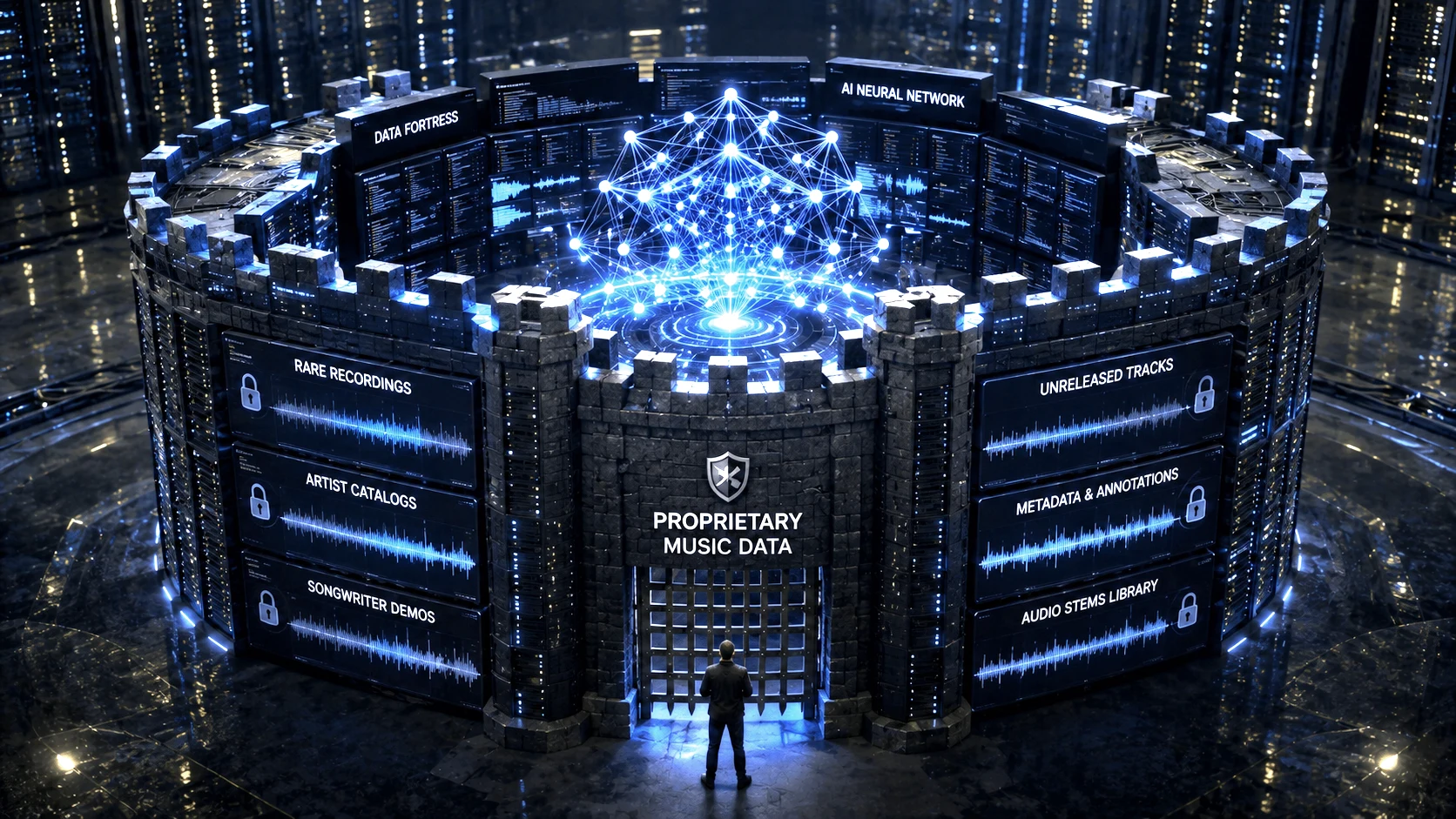
Introduction
In Part 3, we explored the infrastructure behind AI music platforms like Suno.
 We learned about:
- GPU clusters
- Neural networks
- Music planning
- Vocal synthesis
- Audio rendering
But none of these models can learn without one critical ingredient:
Data
Without data, AI knows nothing.
No genres.
No instruments.
No melodies.
No singing.
No emotions.
Everything starts with datasets.
Why Data Is More Important Than Model Size
Many people believe:
Bigger models create better music.
Reality is often very different.
A smaller model trained on high-quality data can outperform a much larger model trained on poor data.
 Modern AI companies spend enormous effort on:
- Data collection
- Cleaning
- Annotation
- Labeling
- Quality control
Because:
Garbage In = Garbage Out
What Does An AI Music Dataset Contain?
![[Image: Billions of songs, lyrics, instruments and metadata flowing into a giant neural network training system, futuristic data center visualization, ultra realistic, 16:9]](https://media.shinesoftcorp.com/blog/2a28eacf-795f-466b-9f36-d9092102d87a.webp)
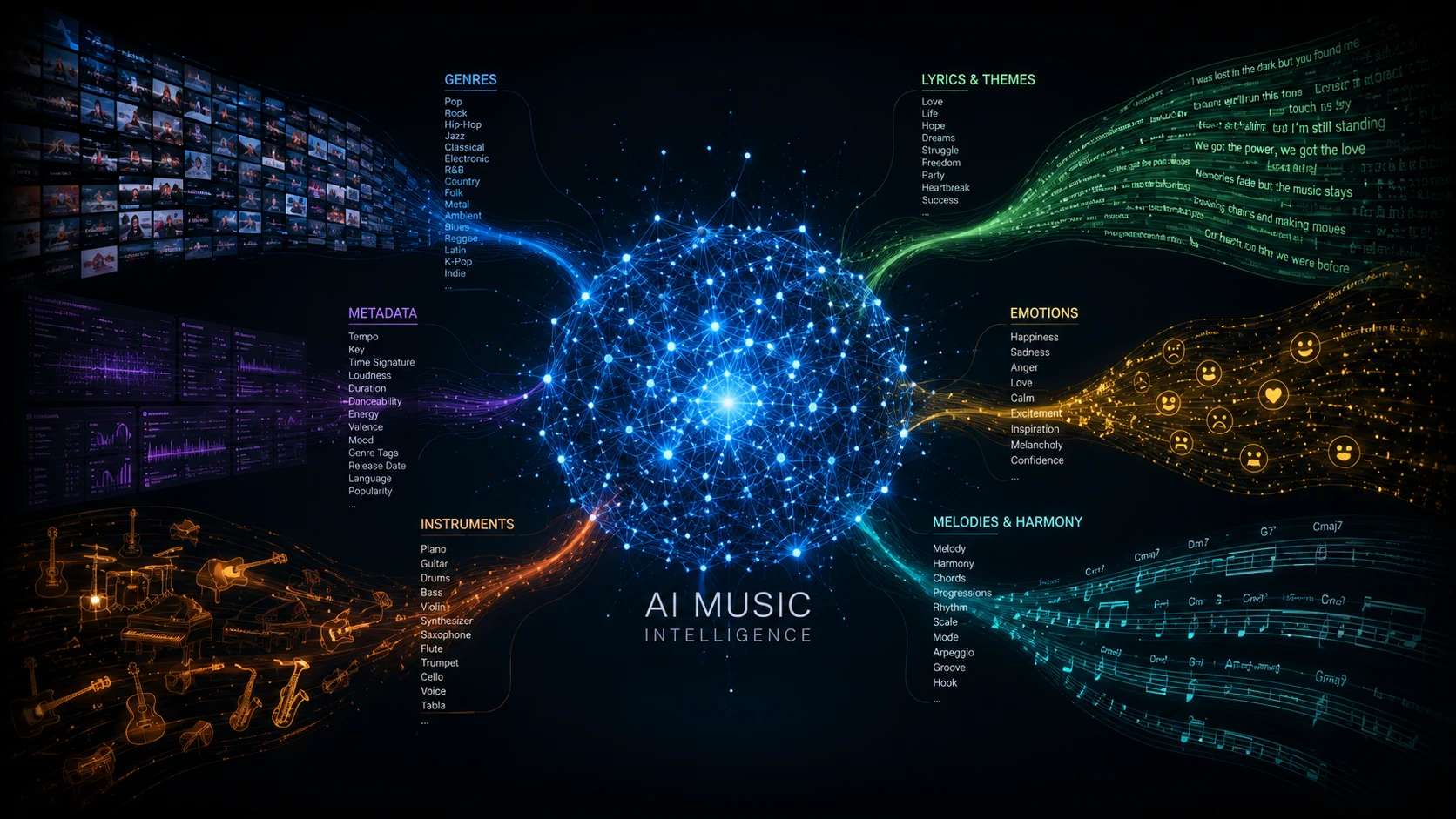
Music datasets are much more than MP3 files.
A single song may contain:
Audio
- Vocals
- Instruments
- Background effects
Metadata
- Genre
- Artist
- Release year
- Language
Musical Information
- Tempo (BPM)
- Key
- Chord progression
Lyrics
- Words
- Structure
- Emotion
Labels
- Happy
- Sad
- Romantic
- Epic
- Energetic
How AI Sees Music
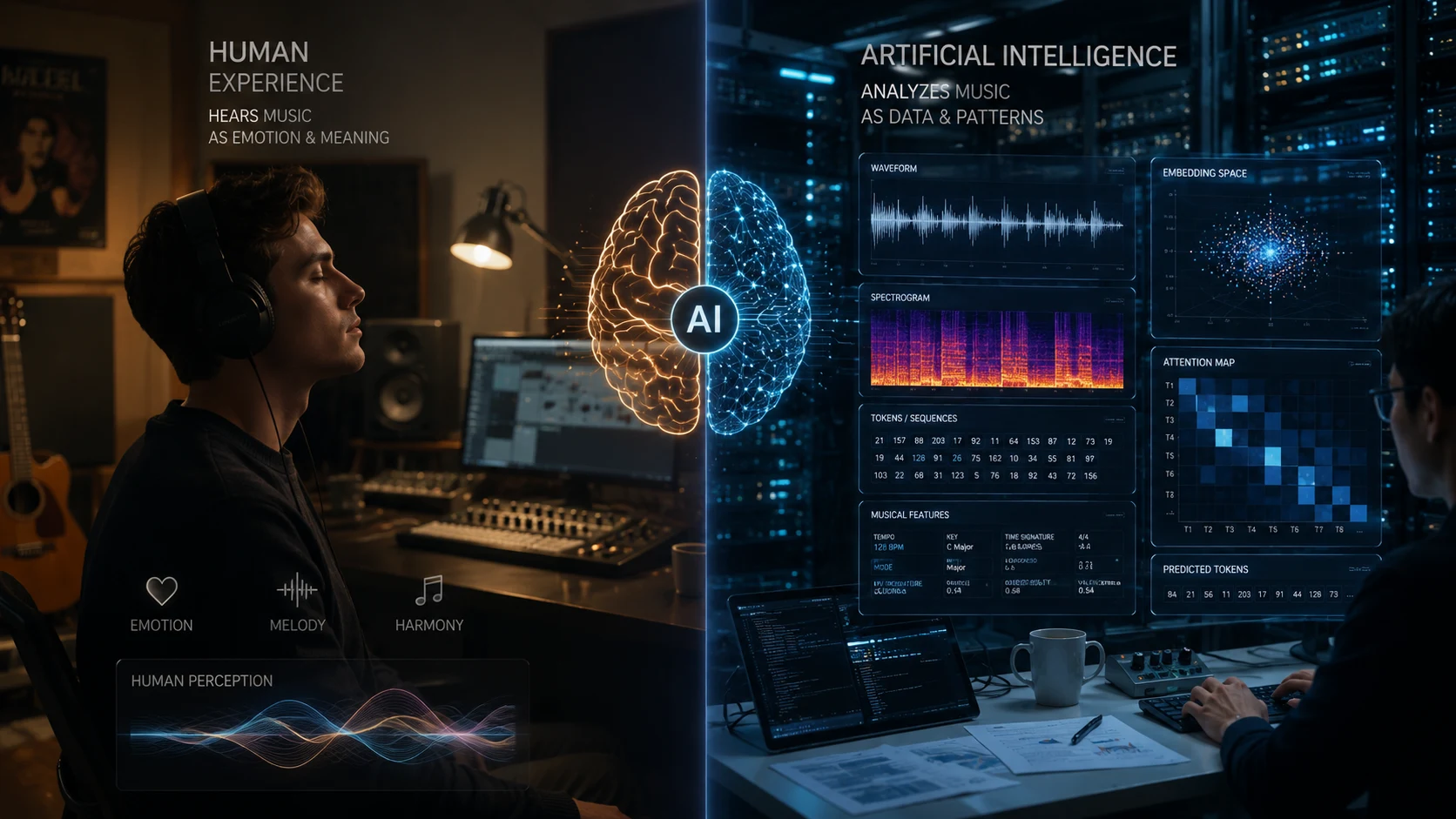 Humans hear:
🎵 Music
AI sees:
- Numbers
- Waveforms
- Spectrograms
- Tokens
- Patterns
Waveforms vs Spectrograms
[Image: Comparison between audio waveforms and colorful spectrograms analyzed by artificial intelligence, futuristic music research visualization, 16:9]
A waveform represents sound over time.
A spectrogram reveals:
- Frequency
- Pitch
- Energy
- Harmonics
Many modern music models learn from spectrograms because they contain much richer information.
Metadata Is The Secret Sauce
Metadata tells the model:
Genre
- Pop
- Rock
- EDM
- Bollywood
Mood
- Happy
- Romantic
- Emotional
Instruments
- Piano
- Guitar
- Tabla
- Violin
Language
- English
- Hindi
- Japanese
- Korean
Without metadata, music becomes much harder to understand.
Lyrics Datasets
Lyrics help AI understand:
- Rhymes
- Chorus structure
- Themes
- Storytelling
Models learn patterns like:
flowchart TD
    A[Verse] --> B[Chorus]
    B --> C[Verse]
    C --> D[Bridge]
    D --> E[Final Chorus]
Instrument Labeling
![[Image: AI music researchers labeling instruments including piano, guitar, drums, strings and tabla, realistic research environment, 16:9]](https://media.shinesoftcorp.com/blog/7a3a3569-99b4-4d9c-aa3e-330f527364c3.webp) AI must learn:
AI must learn:
- Which sound belongs to piano?
- Which belongs to drums?
- Which belongs to vocals?
Labeling millions of tracks is one of the biggest challenges.
Emotional Labeling
![[Image: Music emotions visualized as colorful neural energy streams representing happiness, sadness, romance and excitement, cinematic technology artwork, 16:9]](https://media.shinesoftcorp.com/blog/199e4da1-9a7a-4795-9d91-d9c5d48cba45.webp) Emotion labels may include:
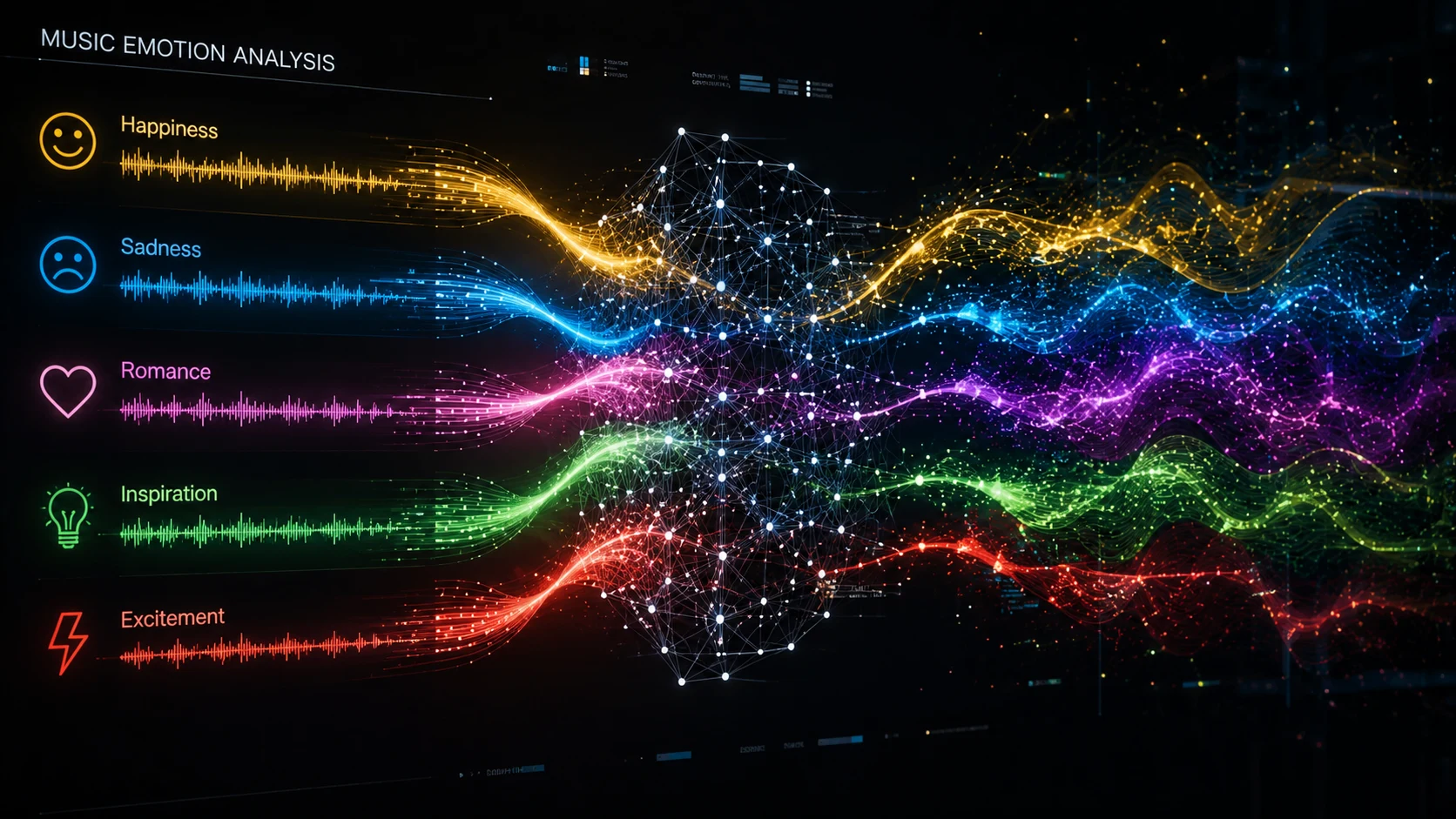
Emotion labels may include:
- Happy
- Sad
- Romantic
- Motivational
- Relaxing
- Epic
This allows prompts like:
Create an emotional piano ballad
to produce meaningful results.
Multi-Language Music
 Modern systems may support:
- English
- Hindi
- Spanish
- Japanese
- Korean
- Arabic
Language data teaches pronunciation and singing styles.
Data Cleaning
![[Image: AI engineers cleaning massive music datasets inside futuristic research laboratories, premium documentary photography, 16:9]](https://media.shinesoftcorp.com/blog/da2188bd-22a3-4b67-9841-0ae8b6c318d7.webp) Raw datasets are messy.
Raw datasets are messy.
Problems include:
- Duplicates
- Corrupted files
- Wrong labels
- Noise
- Missing metadata
Cleaning datasets can consume months of work.
Why Copyright Is Difficult
 Music data introduces unique legal questions.
Questions include:
- Who owns AI-generated songs?
- Can copyrighted music train models?
- What counts as fair use?
These questions are still evolving.
Different countries may adopt different rules.
Proprietary Data Is The Real Moat
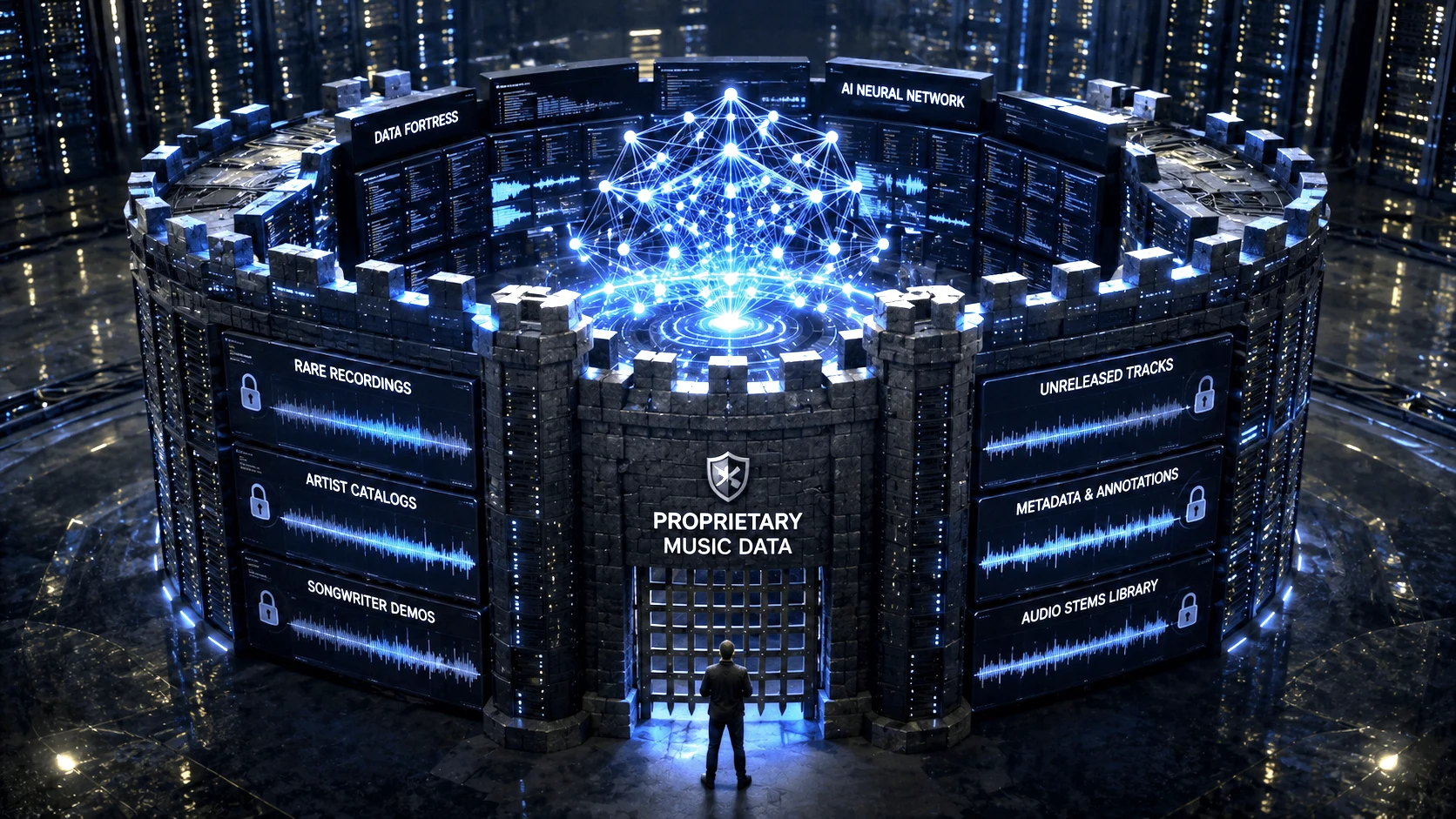 Anyone can download open-source models.
Very few companies possess:
- Massive proprietary datasets
- Human annotations
- High-quality metadata
This may become one of the biggest competitive advantages in AI music.
Open Source Music Datasets
 Researchers commonly experiment with:
MAESTRO
Piano performances.
MusicCaps
Text-to-music descriptions.
FMA (Free Music Archive)
Thousands of tracks across genres.
Slakh2100
Synthetic multi-track music.
NSynth
Instrument sounds.
GiantMIDI-Piano
Large piano datasets.
Why Data Quality Beats Data Quantity
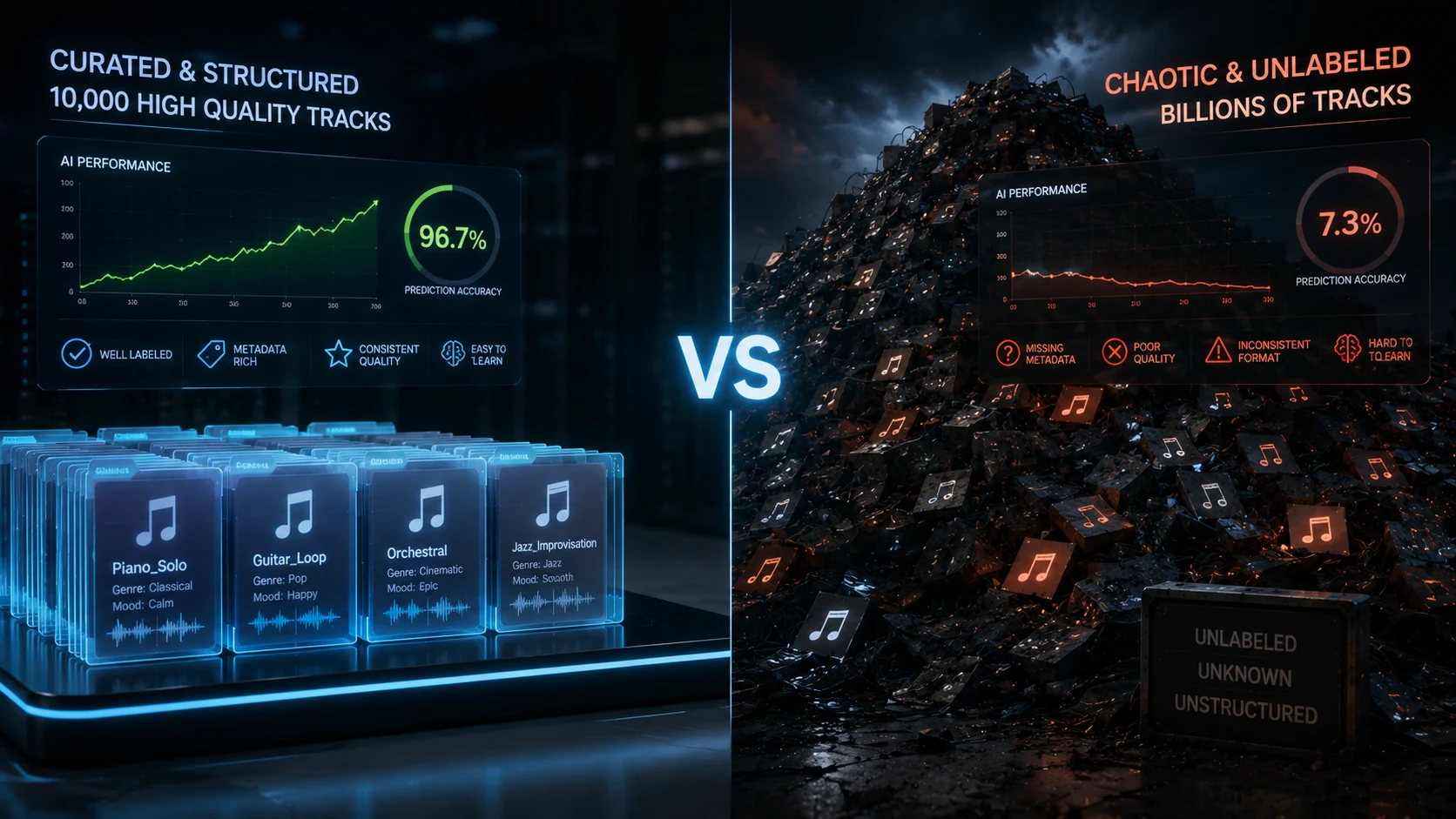 10 million perfectly labeled songs may outperform:
100 million poorly labeled songs.
Quality often wins.
Key Takeaways
✅ Data is the foundation of every AI music model.
✅ Metadata is just as important as audio.
✅ Spectrograms reveal hidden musical patterns.
✅ Labeling and cleaning are massive challenges.
✅ Proprietary datasets may become the biggest advantage for AI companies.
What's Coming In Part 5
 Now that we understand the data…
The next question becomes:
What model architectures actually generate music?
In Part 5, we'll explore:
- Transformers
- Tokens
- MusicGen architecture
- Audio Craft
- Diffusion models
- Latent spaces
- Tokenizers
- Multi-stage generation pipelines