Amazon Bedrock AgentCore Explained: AI Agents That Learn and Improve Over Time
AI-assisted, human-edited
This article was drafted with the help of large language models and reviewed by a Shine Soft Corp engineer before publication. Facts, citations, and code samples were verified against the linked sources. All opinions and editorial direction belong to the editor.
AWS introduces AgentCore, bringing memory, broader knowledge, continuous learning, and enterprise-grade controls to AI agents.
Amazon Bedrock AgentCore Explained: AI Agents That Learn and Improve Over TimeAWS introduces AgentCore, bringing memory, broader knowledge, continuous learning, and enterprise-grade controls to AI agents.
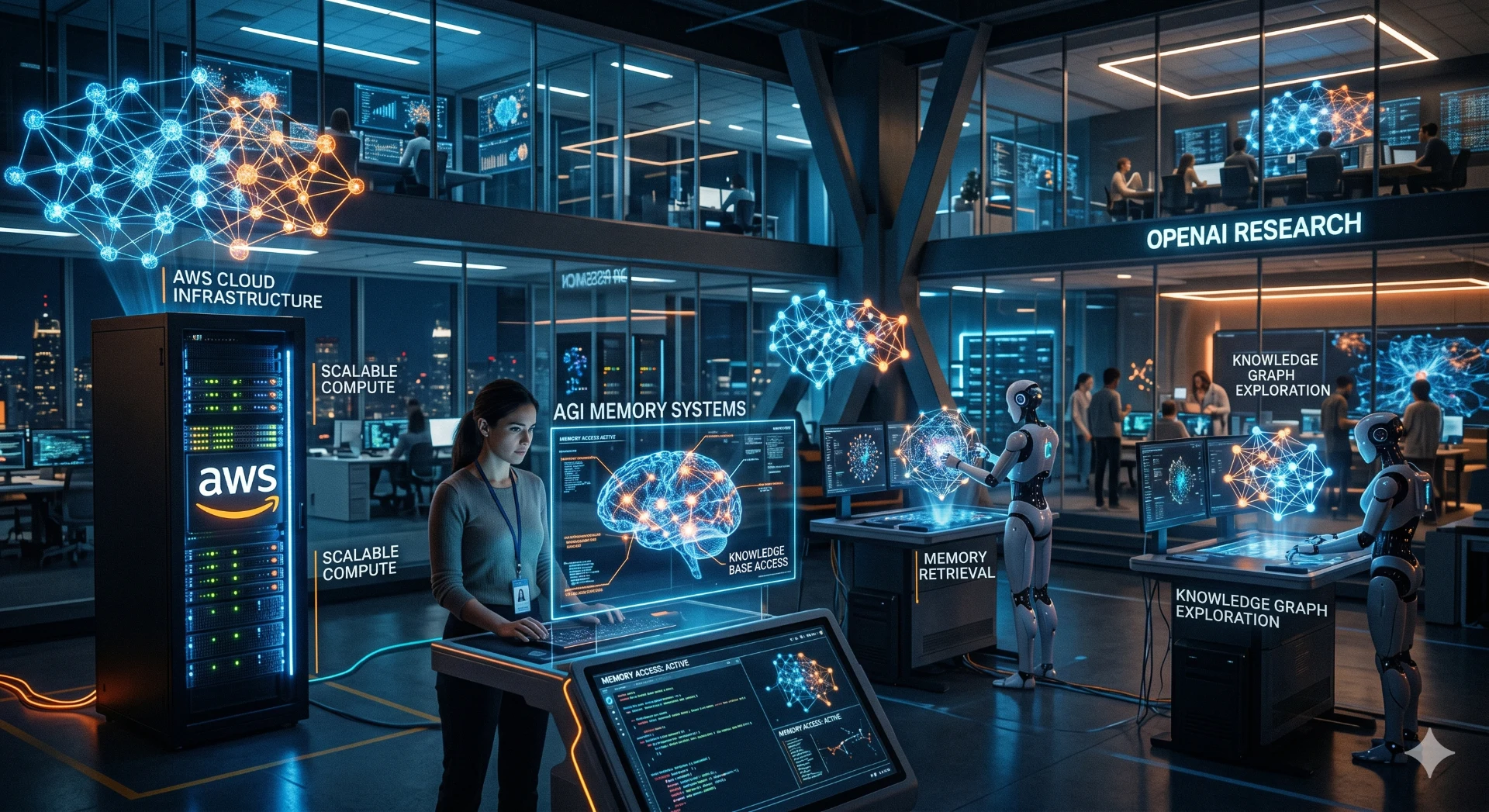
Amazon Bedrock AgentCore Explained: AI Agents That Learn and Improve Over Time
Artificial intelligence is rapidly evolving beyond chatbots.
Modern AI agents can reason, use tools, remember previous interactions, and continuously improve from experience. AWS has introduced new capabilities in Amazon Bedrock AgentCore to help developers build smarter AI systems with memory and long-term learning.
Why Traditional AI Agents Fall Short
Most AI applications today are stateless.
They:
- Forget previous interactions.
- Start from scratch every time.
- Repeat mistakes.
- Lack personalization.
As AI moves toward autonomous agents, these limitations become increasingly problematic.
What is Amazon Bedrock AgentCore?
Amazon Bedrock AgentCore is AWS's platform for building production-ready AI agents.
It provides infrastructure and services that allow agents to:
- Access broader knowledge.
- Store memories.
- Learn from experience.
- Connect to tools and APIs.
- Follow security policies.
- Scale automatically.
How AgentCore Works
flowchart TD

A[User Request]
B[AI Agent]
C[Memory System]
D[Knowledge Sources]
E[Tools & APIs]
F[Reasoning Engine]
G[Final Response]

A --> B
B --> C
B --> D
B --> E
C --> F
D --> F
E --> F
F --> G
Broader Knowledge for Smarter Responses
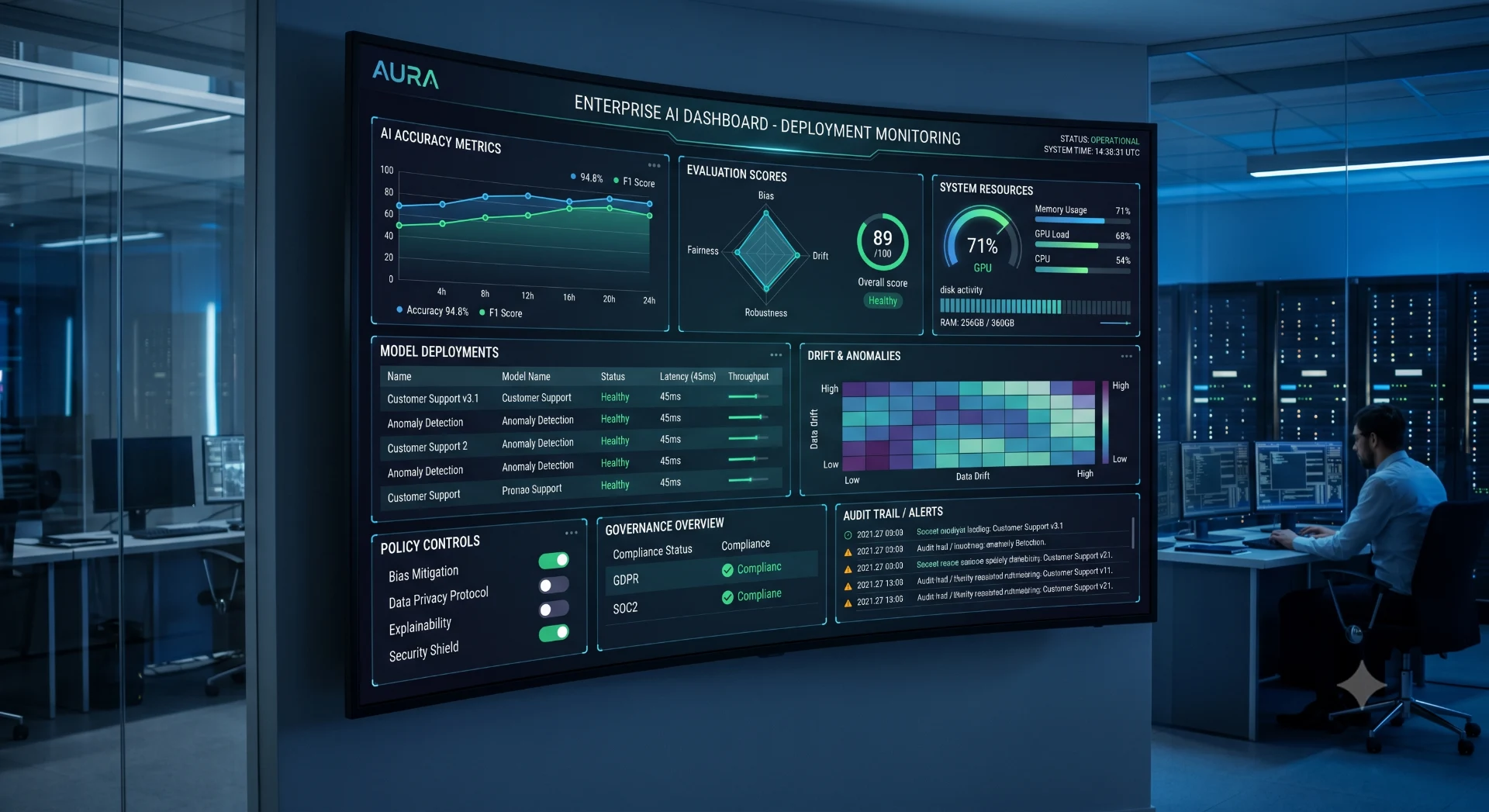
Instead of relying only on the current prompt, agents can combine information from multiple sources:
- Knowledge bases
- Documents
- APIs
- Previous conversations
- Enterprise systems
This gives AI agents a much deeper understanding of context.
Example
A customer support agent can remember:
- Previous tickets
- Purchase history
- Customer preferences
- Company policies
allowing more personalized support.
Continuous Learning Through Memory
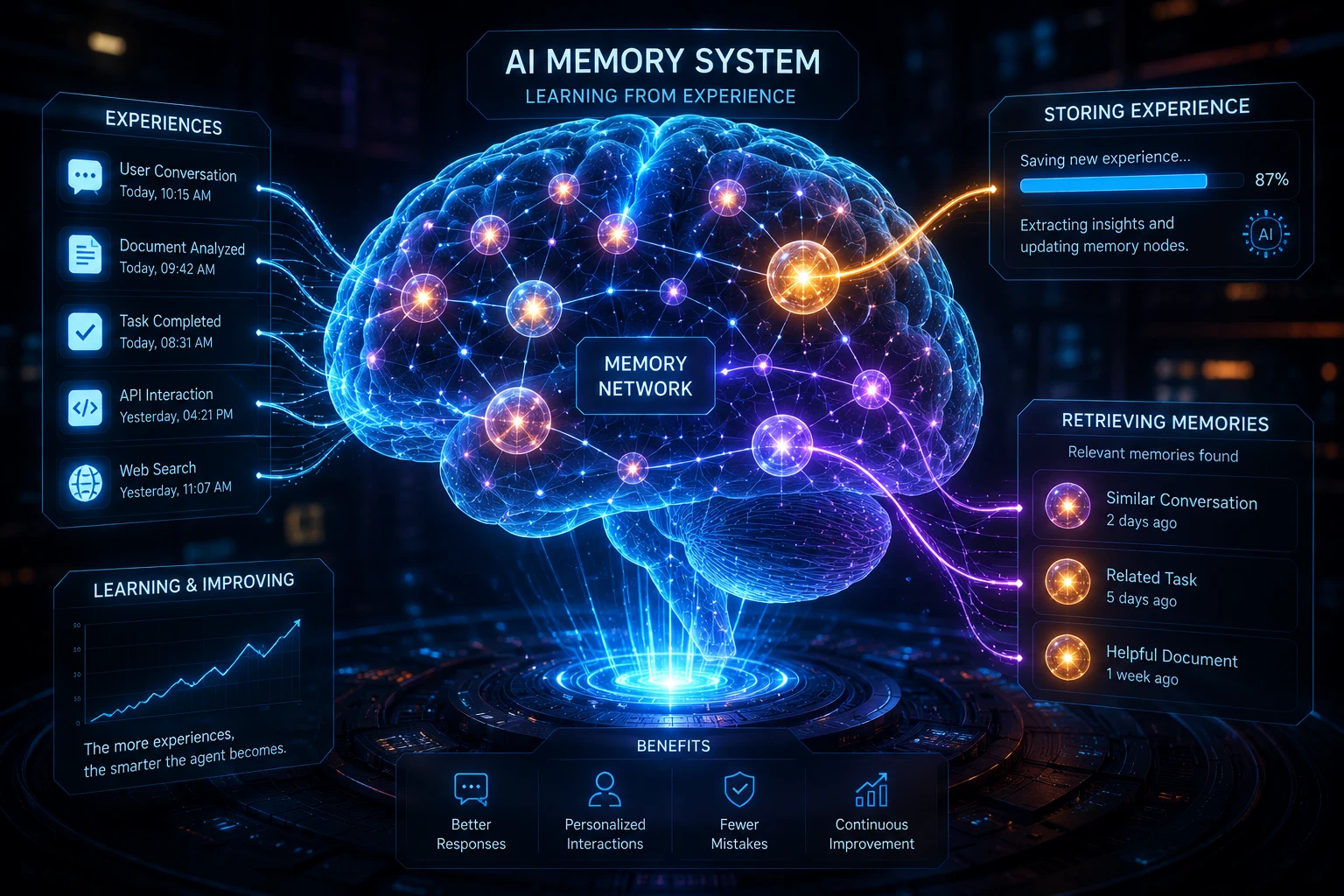 One of the biggest additions is **episodic memory**.
Agents can remember past experiences and use them to improve future decisions.
Benefits
- Avoid repeated mistakes.
- Improve recommendations.
- Understand user behavior.
- Deliver personalized responses.
Human Learning vs Traditional AI
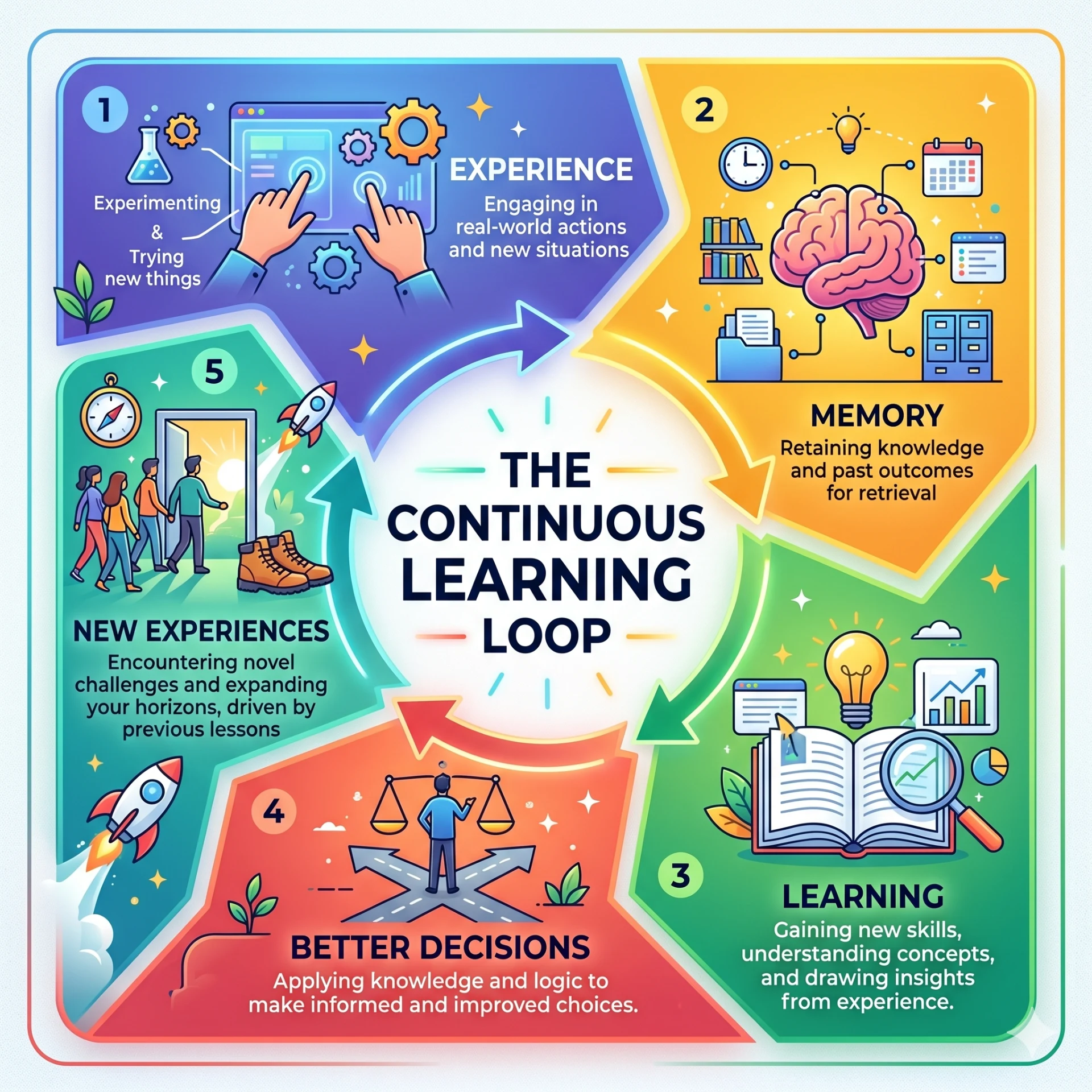
flowchart LR

A[Experience]
B[Memory]
C[Learning]
D[Better Decisions]

A --> B
B --> C
C --> D
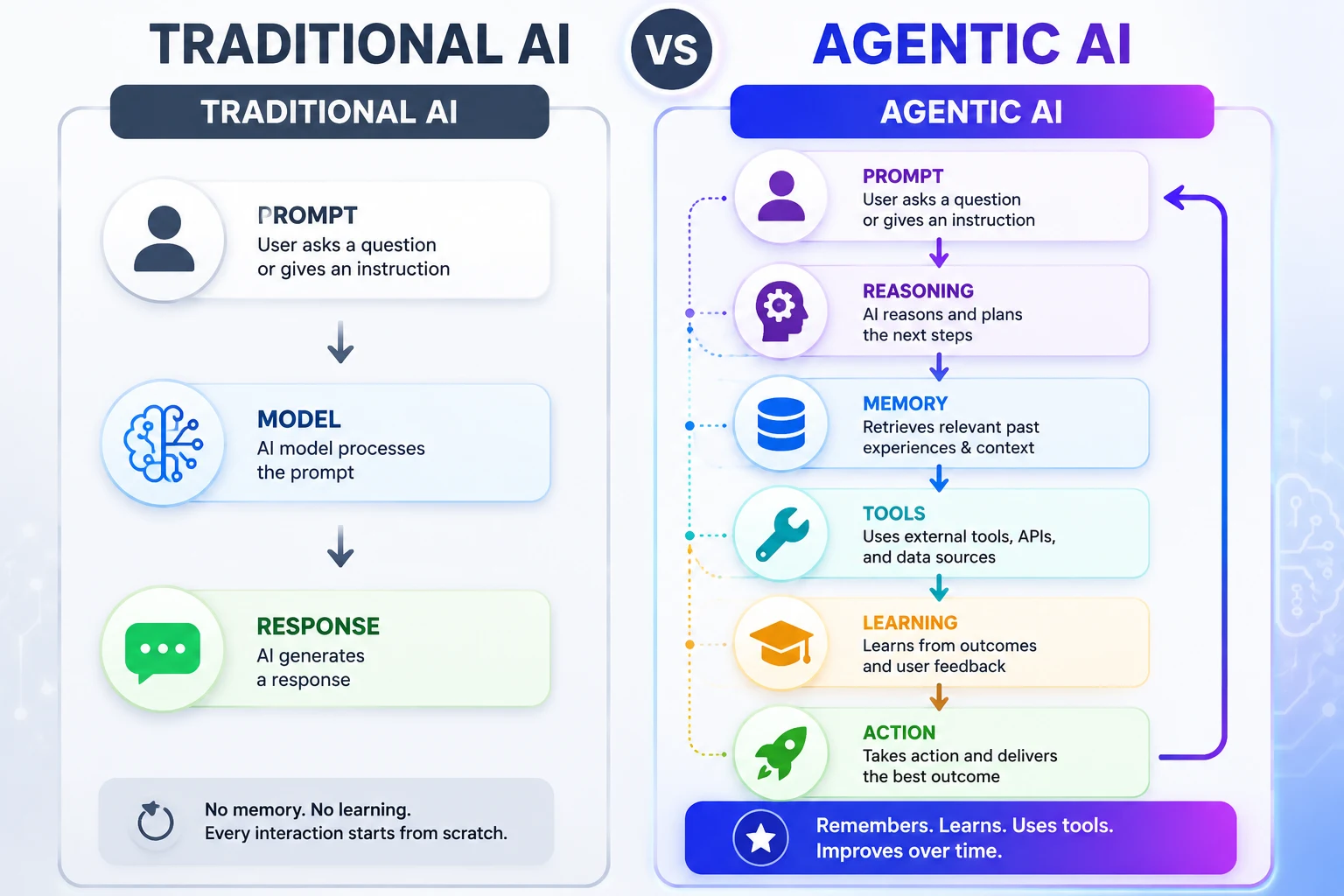
Traditional AI vs Agent Core:
AgentCore Components
AWS provides several building blocks.
Runtime
Runs agents securely and automatically scales workloads.
Memory
Stores experiences and conversation history.
Gateway
Connects agents to external APIs and services.
Identity
Controls access permissions.
Observability
Tracks performance and behavior.
Browser Tool
Allows agents to interact with websites.
Code Interpreter
Enables safe execution of code.
AgentCore Architecture
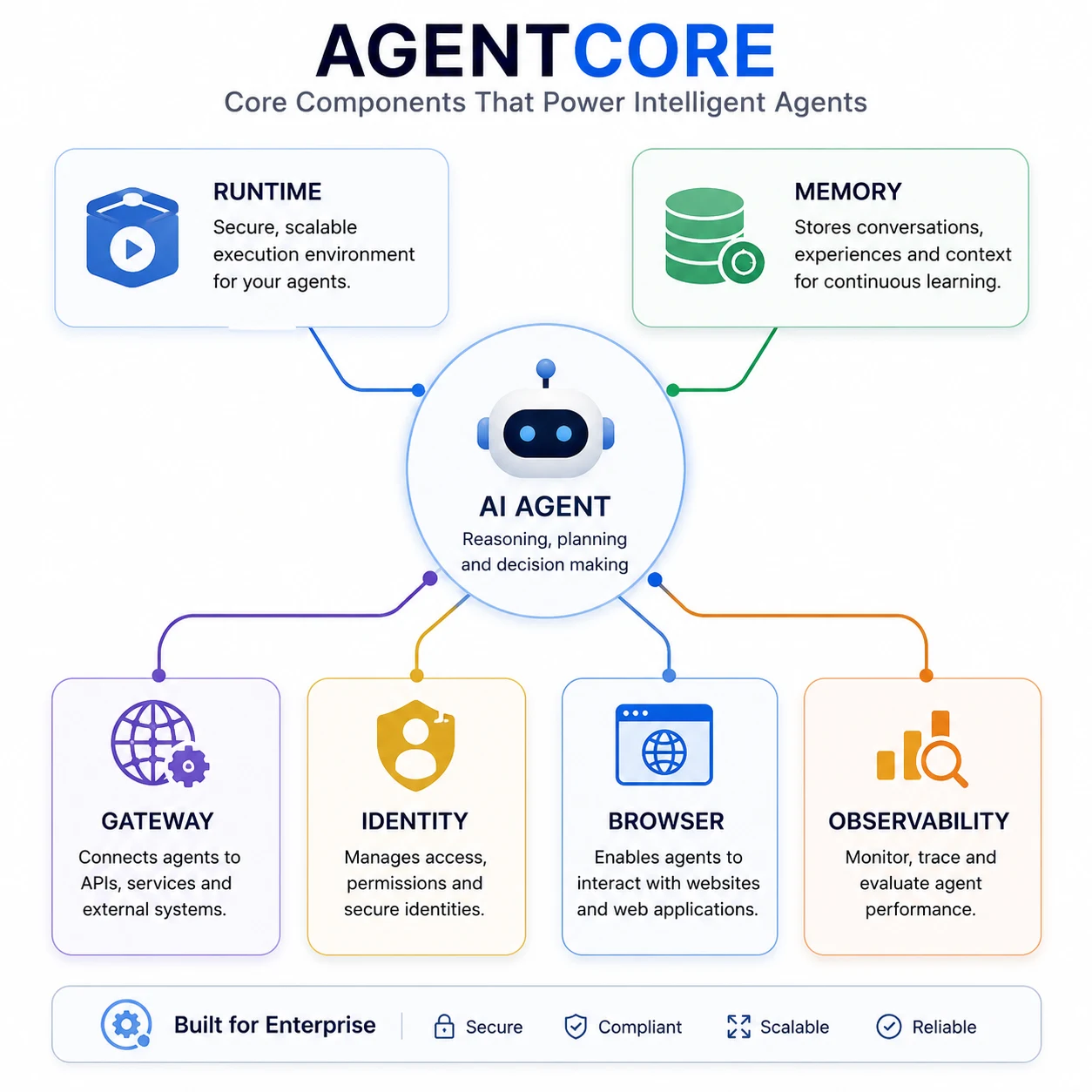
flowchart TD

User --> Agent

Agent --> Runtime
Agent --> Memory
Agent --> Gateway
Agent --> Identity
Agent --> Observability
Agent --> Browser
Agent --> CodeInterpreter

Gateway --> APIs
Gateway --> Databases
Gateway --> ExternalServices
Built-In Policy Controls
AI systems require safeguards.
AgentCore allows organizations to define policies such as:
- Which APIs agents may access.
- Spending limits.
- Data access permissions.
- Approval requirements.
Example
Block refunds above $1000.
Or allow access only to HR databases.
These rules help maintain compliance and security.
Monitoring Agent Performance
AWS provides evaluation tools that help measure:
- Accuracy
- Reliability
- Tool usage
- Response quality
Instead of guessing whether an agent is improving, developers can continuously monitor performance.
Agent Lifecycle
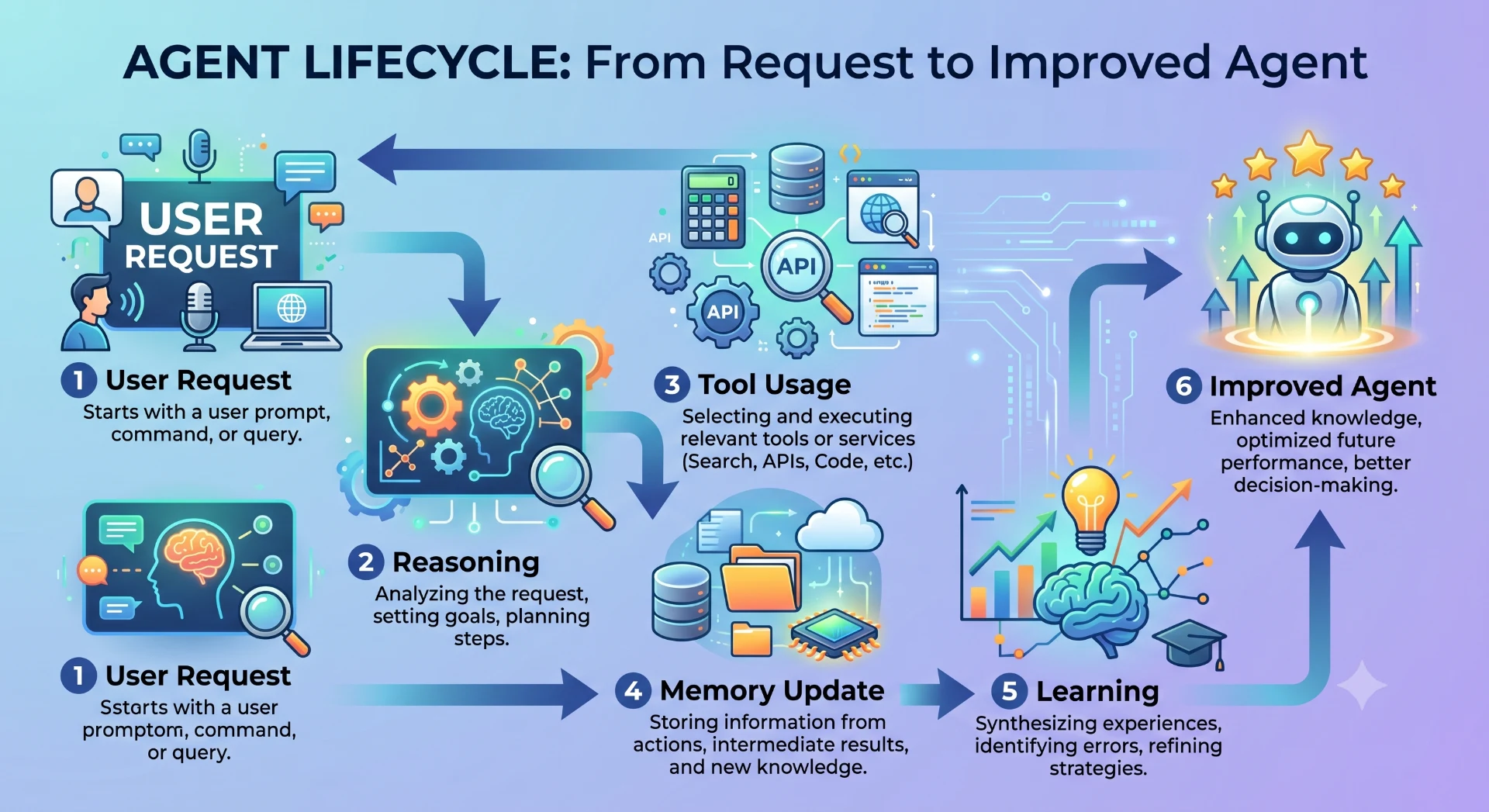
flowchart LR

A[User Request]
B[Reasoning]
C[Tool Usage]
D[Memory Update]
E[Learning]
F[Improved Agent]

A --> B
B --> C
C --> D
D --> E
E --> F
Real-World Applications
Customer Support
Remember previous interactions and provide personalized assistance.
HR Assistants
Answer employee questions using company policies.
IT Operations
Analyze logs and recommend solutions.
Financial Services
Automate workflows while maintaining compliance.
Healthcare
Provide context-aware assistance with strong security controls.
Traditional AI vs Agentic AI
flowchart TD

subgraph Traditional AI
A1[Prompt]
A2[Model]
A3[Response]

A1 --> A2 --> A3
end

subgraph Agentic AI
B1[Prompt]
B2[Reasoning]
B3[Memory]
B4[Tools]
B5[Learning]
B6[Action]

B1 --> B2 --> B3 --> B4 --> B5 --> B6
end
Why AgentCore Matters
The industry is moving from simple chatbots toward autonomous AI agents.
Future AI systems will:
- Remember experiences.
- Learn continuously.
- Use external tools.
- Follow policies.
- Improve over time.
Amazon Bedrock AgentCore represents AWS's vision for building enterprise-grade AI agents that are intelligent, secure, and practical for real-world applications.
Conclusion
The next generation of AI isn't just about generating text.
It's about creating agents that can reason, remember, learn, and act.
With AgentCore, AWS is helping developers move closer to that future.
Frequently asked questions
What is Amazon Bedrock AgentCore?
Amazon Bedrock AgentCore is AWS's platform for building production-ready AI agents that can access broader knowledge, store memories, learn from experience, and connect to tools and APIs.
What are the key benefits of using AgentCore?
The key benefits of using AgentCore include the ability for AI agents to remember past experiences, learn from them, and improve future decisions, as well as providing enterprise-grade controls and security.
How does AgentCore enable continuous learning for AI agents?
AgentCore enables continuous learning for AI agents through its episodic memory feature, which allows agents to remember past experiences and use them to improve future decisions.
What types of applications can benefit from using AgentCore?
Applications such as customer support, HR assistants, IT operations, financial services, and healthcare can benefit from using AgentCore to create more intelligent and personalized AI agents.
What is the difference between traditional AI and Agentic AI?
Traditional AI is stateless and forgets previous interactions, whereas Agentic AI is capable of reasoning, remembering, learning, and acting, and can improve over time.
Why is AgentCore important for the future of AI?
AgentCore is important for the future of AI because it represents AWS's vision for building enterprise-grade AI agents that are intelligent, secure, and practical for real-world applications, and can help developers move closer to creating autonomous AI agents.