AI Agents Can Now Make Payments
AI-assisted, human-edited
This article was drafted with the help of large language models and reviewed by a Shine Soft Corp engineer before publication. Facts, citations, and code samples were verified against the linked sources. All opinions and editorial direction belong to the editor.
AI agents can think and now make payments with MPP, a protocol for machine payments
AI Agents Can Now Make PaymentsAI agents can think and now make payments with MPP, a protocol for machine payments
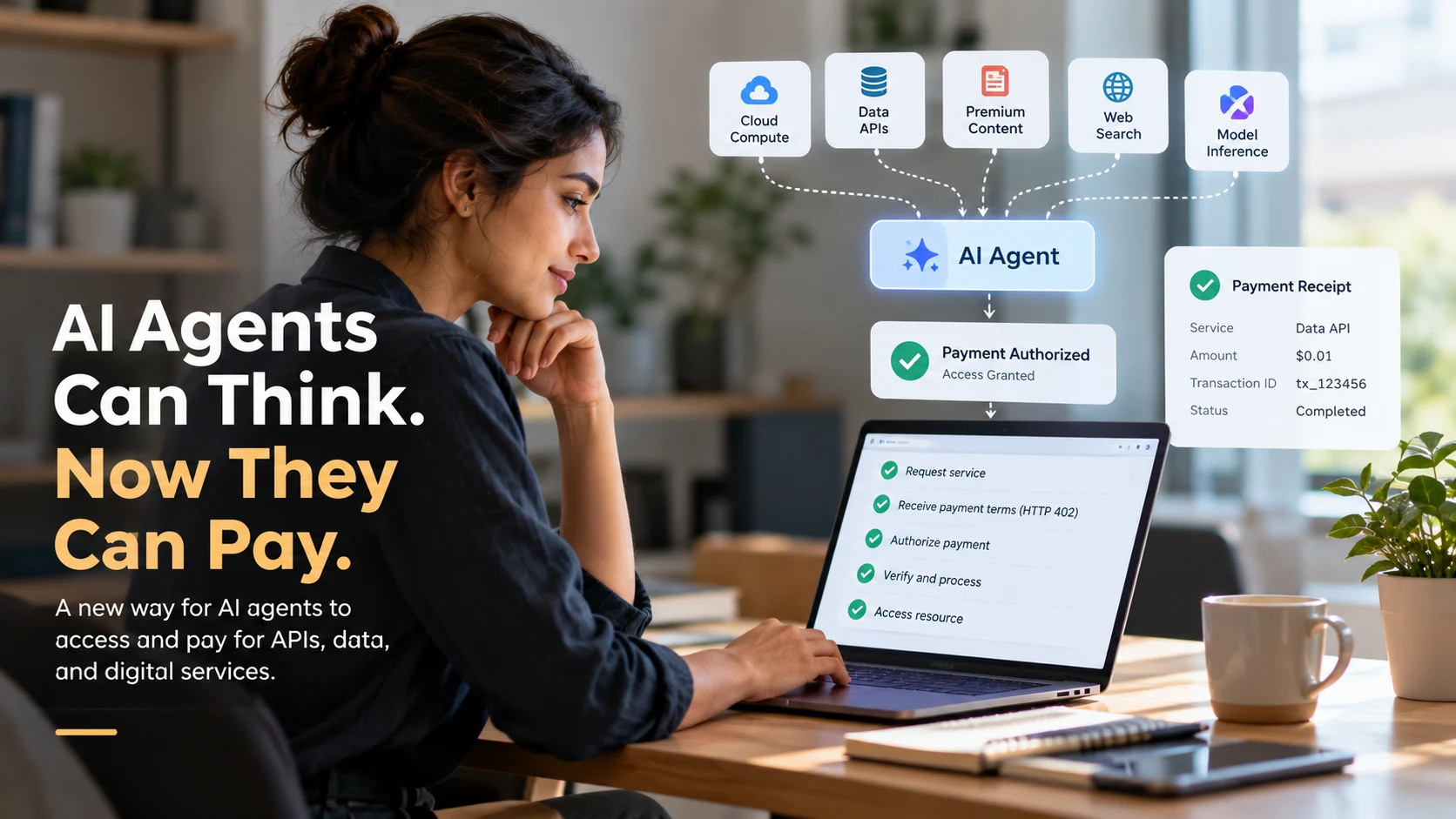
AI Agents Can Now Make Payments
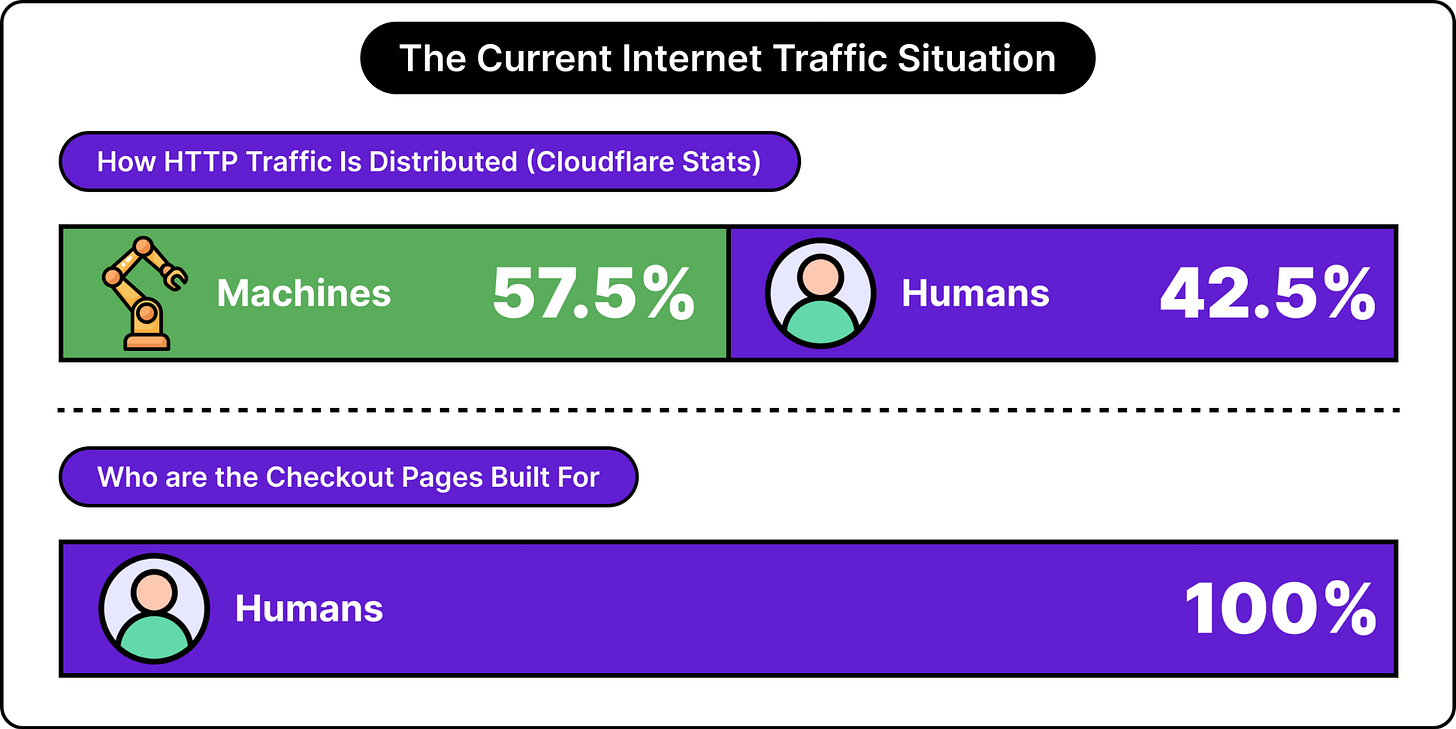
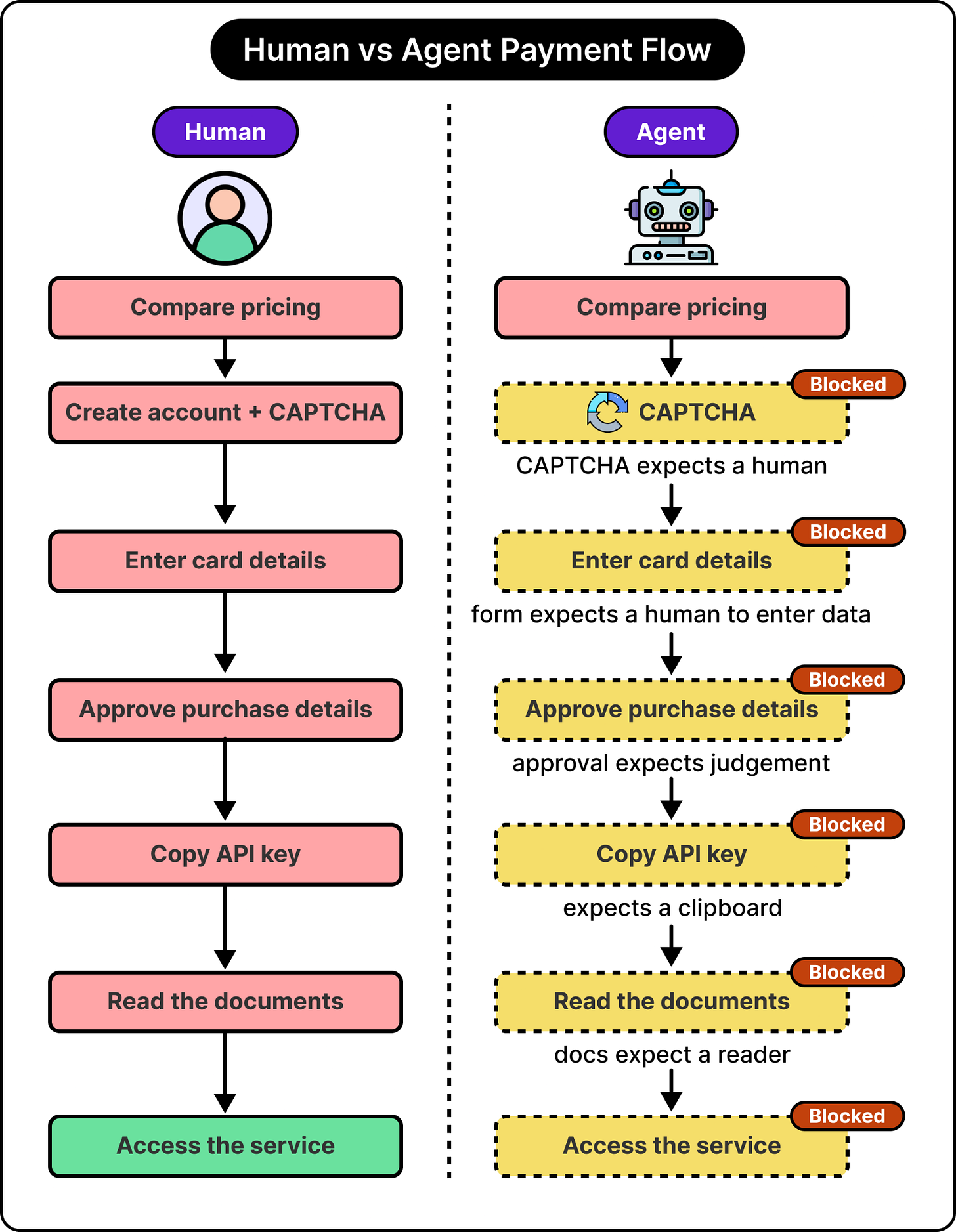
The rapid evolution of AI agents has led to a significant shift in how they interact with online services. As these agents become increasingly autonomous, they require the ability to make payments without human intervention. This is particularly important in 2026, as AI tools are expected to generate a substantial portion of HTTP requests to web content. According to a recent report from Cloudflare, automated systems already account for around 57.5% of these requests. The current payment model, however, is still centered around human users, creating a need for a more efficient and automated payment system.
🧭 Context and Background
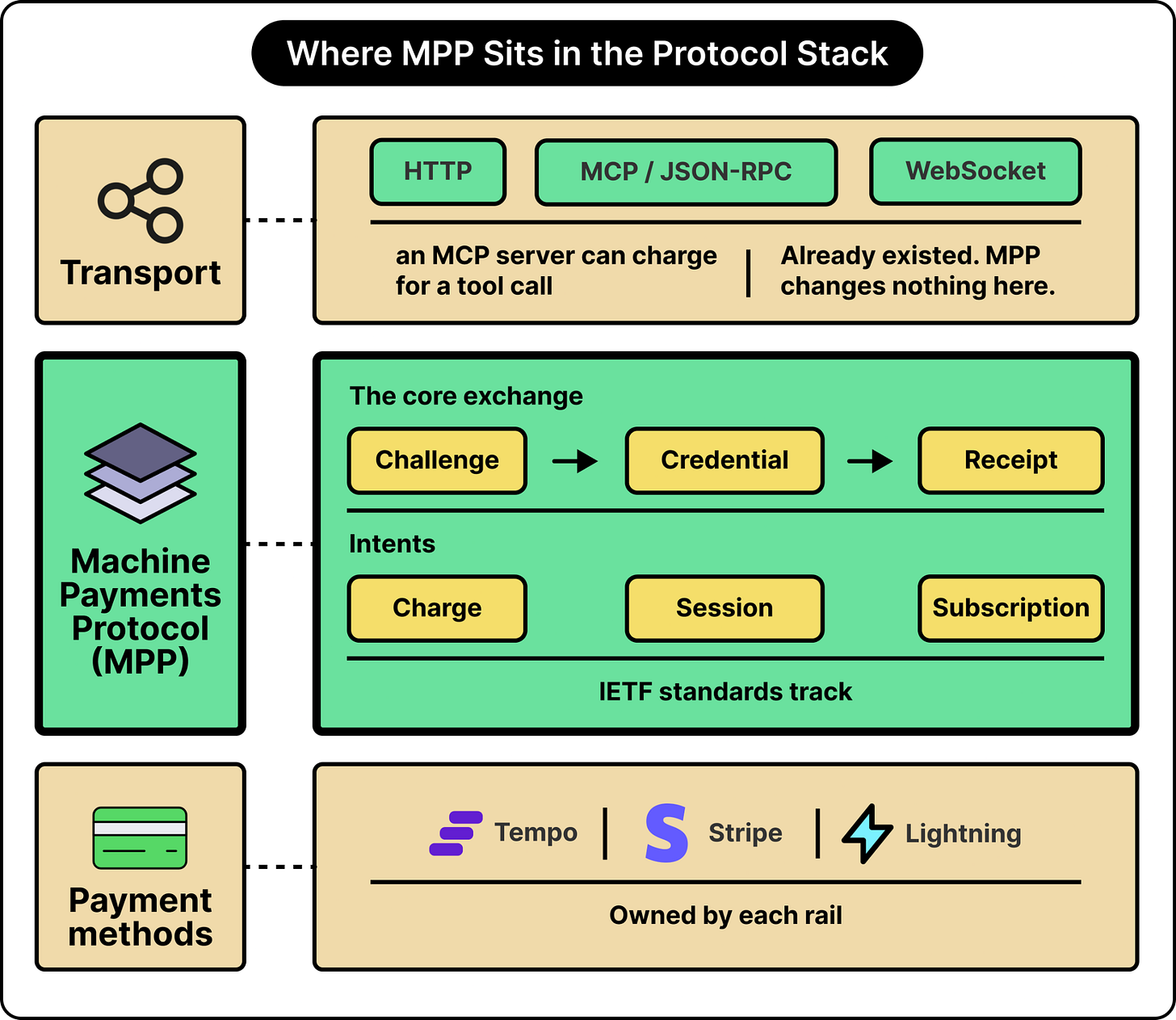
The Machine Payments Protocol (MPP) is a solution designed to address the limitations of the current payment model. Co-authored by Stripe and Tempo, MPP aims to remove the friction between buyers and sellers by creating a standardized interface for AI agents to settle payments with online services. This protocol is not just about making payments; it's about enabling AI agents to interact with online services seamlessly, without the need for human intervention.
📝 How MPP Works
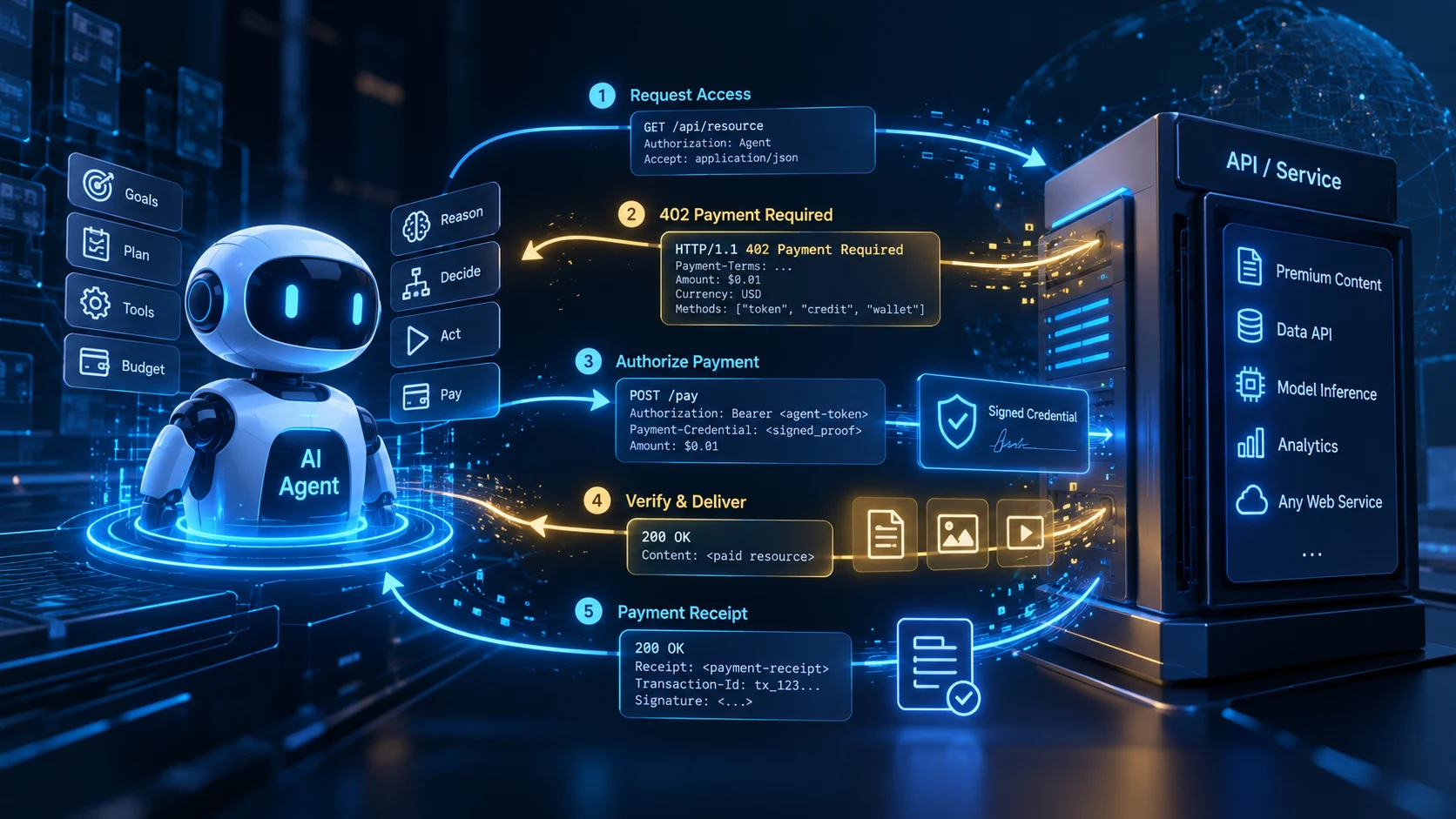
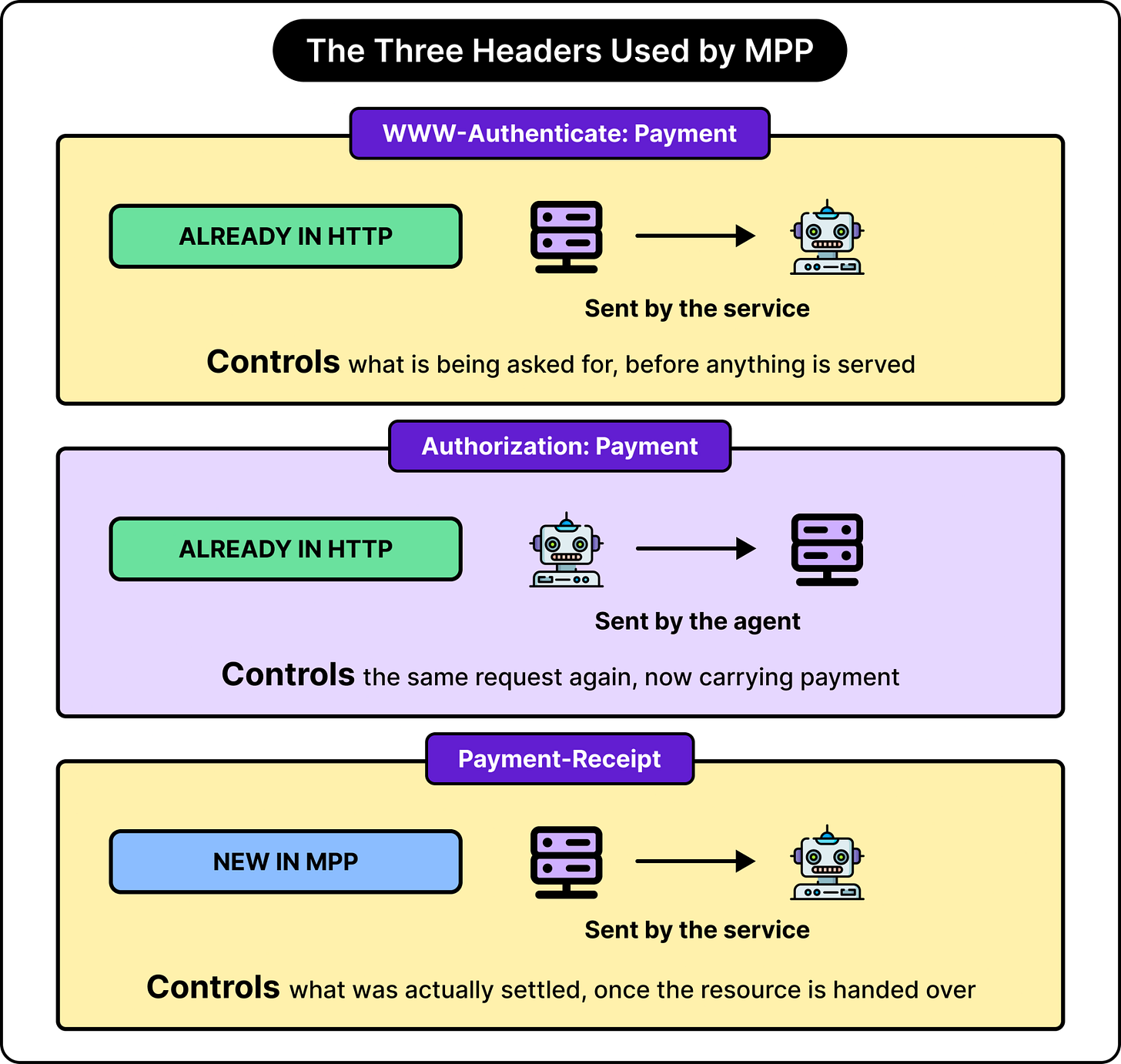
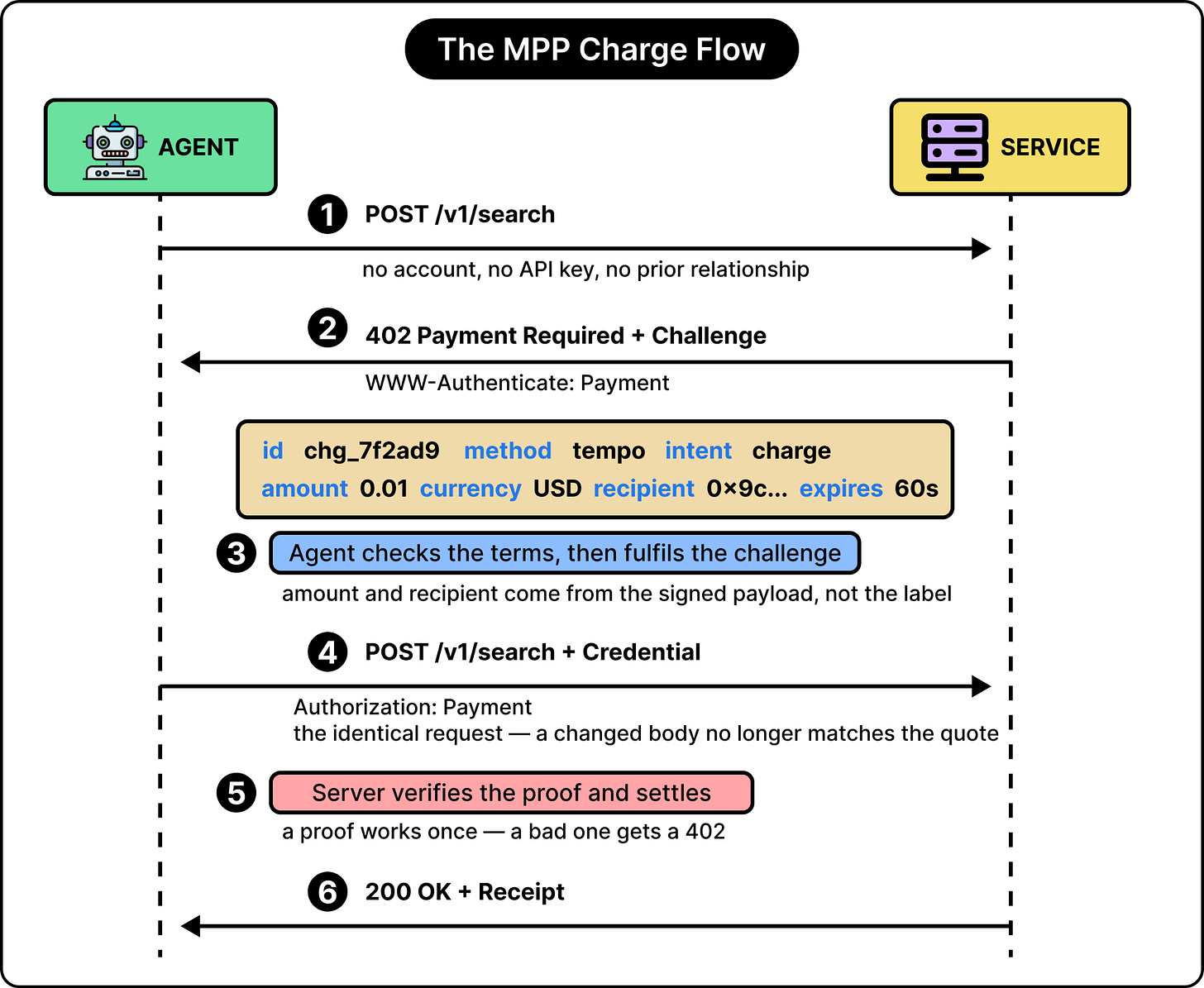
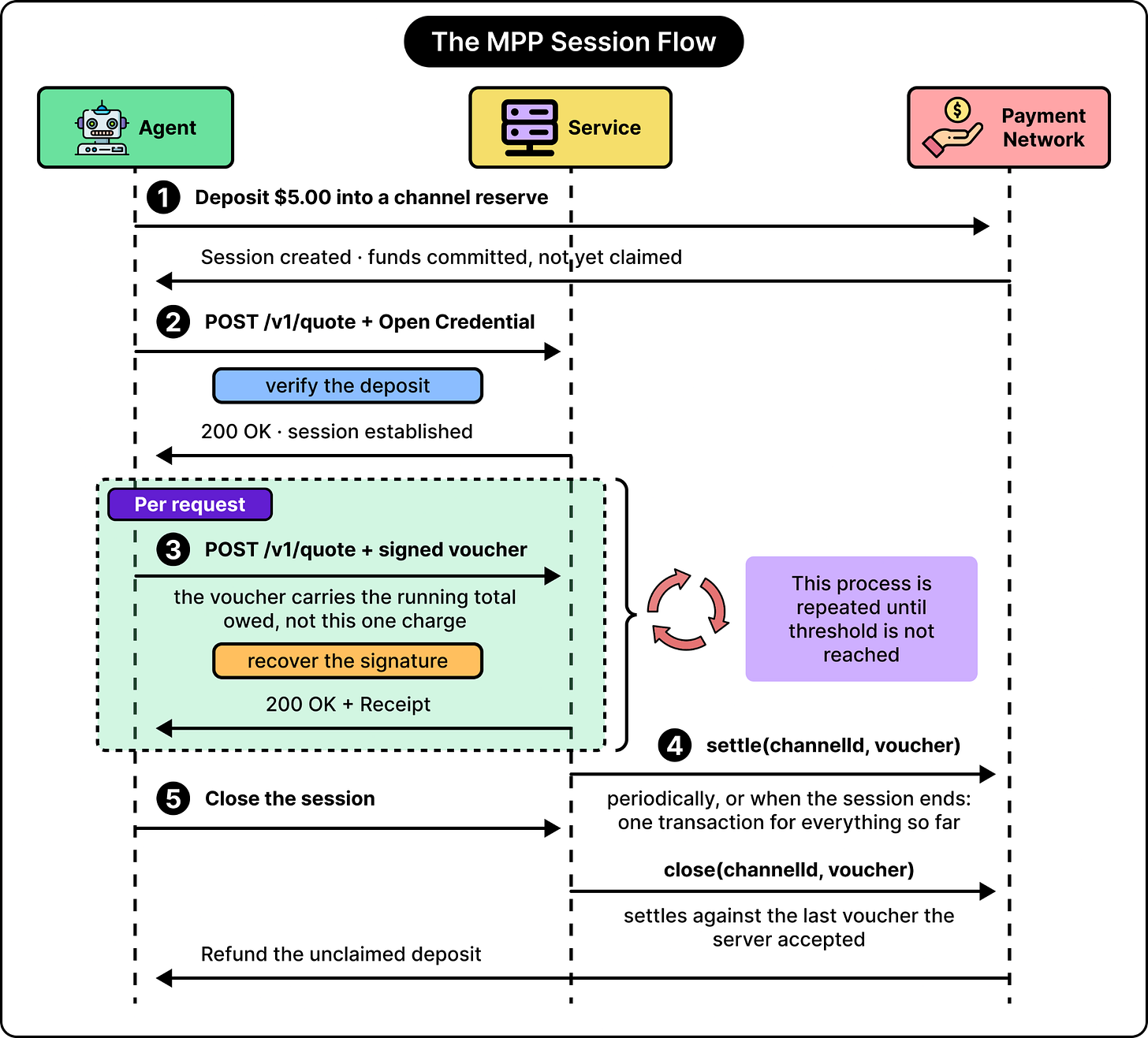
MPP operates by using a set of standardized HTTP headers to facilitate payment transactions between AI agents and online services. When an agent requests access to a service, the server responds with an HTTP 402 response, including payment details in a WWW-Authenticate: Payment header. The agent then authorizes the payment and retries the request, providing proof of payment in an Authorization: Payment header. The server verifies the proof and returns the paid resource, along with a Payment-Receipt header.
HTTP/1.1 402 Payment Required
WWW-Authenticate: Payment realm="example",
                  challenge="https://example.com/payment/challenge/123"
The Challenge object contains details such as the payment amount, currency, and recipient address. The agent checks these details and authorizes the payment based on a pre-set limit. The Credential object, which includes the payment payload, is then sent to the server for verification.
HTTP/1.1 200 OK
Authorization: Payment credential="https://example.com/payment/credential/123"
🛠️ Real-World Implementation
The implementation of MPP is expected to have a significant impact on the way AI agents interact with online services. By providing a standardized interface for payments, MPP enables AI agents to access a wide range of services without the need for human intervention. This, in turn, is expected to drive innovation and growth in the AI industry, as AI agents become increasingly autonomous and self-sufficient.
📝 Risks and Trade-Offs
While MPP offers many benefits, there are also potential risks and trade-offs to consider. One of the primary concerns is security, as AI agents will be handling sensitive payment information. To mitigate this risk, MPP uses standardized HTTP headers and secure payment protocols to ensure the integrity of payment transactions. Additionally, AI agents are configured with spending limits and delegated keys to prevent unauthorized transactions.
✅ Forward-Looking Takeaway
The introduction of MPP marks a significant milestone in the evolution of AI agents. As these agents become increasingly autonomous, they will require more sophisticated and efficient payment systems. MPP provides a standardized interface for payments, enabling AI agents to interact with online services seamlessly. This, in turn, is expected to drive innovation and growth in the AI industry, as AI agents become increasingly self-sufficient.
📝 Key takeaways
- AI agents require a standardized payment system to interact with online services seamlessly.
- Machine Payments Protocol (MPP) provides a solution to this problem, enabling AI agents to settle payments with online services without human intervention.
- MPP uses standardized HTTP headers to facilitate payment transactions, ensuring the integrity and security of payment information.
- The implementation of MPP is expected to drive innovation and growth in the AI industry, as AI agents become increasingly autonomous and self-sufficient.
- MPP offers a range of benefits, including increased efficiency, security, and scalability, making it an essential component of the AI ecosystem.
graph TD
    A[AI Agent] -->|requests access| B[Server]
    B -->|returns 402| A
    A -->|authorizes payment| B
    B -->|verifies proof| A
    A -->|receives paid resource| B
HTTP/1.1 200 OK
Payment-Receipt: receipt="https://example.com/payment/receipt/123"
sequenceDiagram
    participant AI Agent
    participant Server
    Note over AI Agent,Server: Payment Transaction
    AI Agent->>Server: requests access
    Server->>AI Agent: returns 402
    AI Agent->>Server: authorizes payment
    Server->>AI Agent: verifies proof
    Server->>AI Agent: returns paid resource
📸 Source images
Reference figures from the source article.
References
This article was informed by reporting and engineering write-ups from the sources below. Please visit them for the original analysis:
- AI Agents Can Now Make Payments — bytebytego
- How we will do better for Australia — openai
- The Lenfest Institute grows landmark program with expanded OpenAI support — openai
- Watch the winning trailer from the Future Vision XPRIZE, The Gifted. — google-ai
- Import AI 474: Platonic mindspace; TPUs in space; Zhipu starts an outer RSI loop — import-ai
Shine Soft Corp synthesizes and commentates on these sources; we do not republish their content.
Frequently asked questions
What is the Machine Payments Protocol (MPP)?
The Machine Payments Protocol (MPP) is a solution designed to address the limitations of the current payment model by creating a standardized interface for AI agents to settle payments with online services.
How does MPP operate?
MPP operates by using a set of standardized HTTP headers to facilitate payment transactions between AI agents and online services. When an agent requests access to a service, the server responds with an HTTP 402 response, including payment details in a WWW-Authenticate: Payment header.
What are the benefits of MPP?
MPP provides a range of benefits, including increased efficiency, security, and scalability, making it an essential component of the AI ecosystem. It enables AI agents to interact with online services seamlessly, without the need for human intervention.
What is the current percentage of HTTP requests to web content generated by automated systems?
According to a recent report from Cloudflare, automated systems already account for around 57.5% of HTTP requests to web content.
How does MPP ensure the security of payment transactions?
MPP uses standardized HTTP headers and secure payment protocols to ensure the integrity of payment transactions. Additionally, AI agents are configured with spending limits and delegated keys to prevent unauthorized transactions.
What is the expected impact of MPP on the AI industry?
The implementation of MPP is expected to drive innovation and growth in the AI industry, as AI agents become increasingly autonomous and self-sufficient. It will enable AI agents to access a wide range of services without the need for human intervention.
What do you think is the most significant benefit of the Machine Payments Protocol (MPP)?
Live results